How to Clean a Baby Bassinet Bumper? Don’t worry, many parents have encountered this problem.

Baby bassinets with bumpers are common. Bumpers reduce bumps, create a sense of security, and look cozier. But the reality is often that bumpers get dirty faster than expected, and you find that you can’t remove them no matter what you do.
Milk stains, drool, spit-up marks, sweat odor… Sometimes just a light whiff can cause anxiety:
“Can I still let my baby sleep like this?”
I remember one time when I was putting my child to sleep in the middle of the night, he vomited a little milk as soon as he was settled in bed, and it splashed onto the crib bumper.
I was really frustrated at that moment—I couldn’t take it off, and I couldn’t wash the whole thing with water, so I could only wipe it repeatedly with a wet towel. Many parents understand that feeling of helplessness.
Actually, the fact that the bed rails can’t be removed doesn’t mean they can’t be washed. The key is whether you’re doing it the right way.
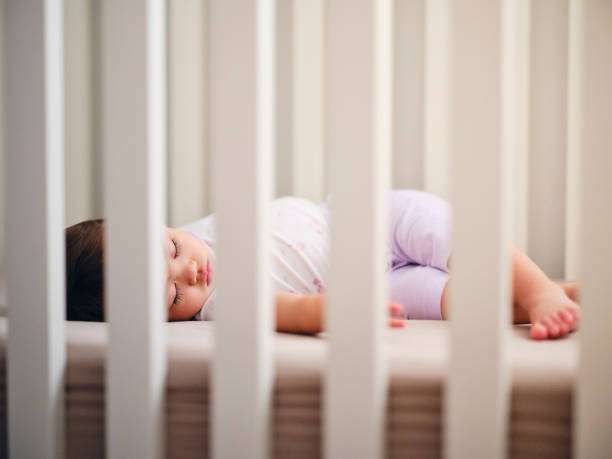
First, confirm: Why can’t you remove your bed rail?
Understanding the structure before cleaning can prevent many situations where “washing makes things worse.”
One-piece design (most common)
Many baby bassinet mattresses have their bumpers sewn into the inside of the mattress for stability and safety, without zippers or Velcro. This design itself isn’t a flaw; it simply means the cleaning method differs from removable models.
Concealed fixing structure
Some may look like they can be detached, but the fixing points are actually hidden in the interlayer. If you try to pull them off forcefully, you can easily damage the lining or deform it.
Important reminder: Do not attempt to disassemble the crib bumper before you are certain of its structure. If the bumper is deformed, it will be more likely to come into contact with the baby’s mouth and nose.
For bed rails that can’t be removed, this is a safer way to clean them regularly.
Method 1: Localized cleaning with warm water in a baby bassinet (most basic and safest)
Suitable:
- Slight milk stains
- Saliva mark
- Everyday body odor
Operation method:
- Use warm water and a small amount of neutral baby laundry detergent
- Gently press and wipe with a soft towel or gauze.
- Do not rub vigorously back and forth.
Often, what appears to be a “dirty” baby bassinet bumper is actually just surface residue, and this method can resolve most of the issue.
Method 2: Spot cleaning with a small brush baby bassinet (for stubborn stains)
Suitable:
- Dried milk stains
- Food traces
Important points to note:
- Use baby-specific cleansing products
- Soft-bristled toothbrush or cleaning brush
- Only brush the dirty areas; do not soak large areas.
I strongly resist getting the bed curtains completely wet at once because the inner filling doesn’t dry easily and tends to retain moisture.
Method 3: Steam cleaning (suitable for parents who are afraid of bacteria)
If you have high requirements for cleanliness, you can consider low-temperature steam.
- Do not stay in the same place for too long.
- Make sure to air dry after steaming.
- Avoid using on baby immediately
This method is very effective in controlling odors and bacteria, but it should not be done too frequently.
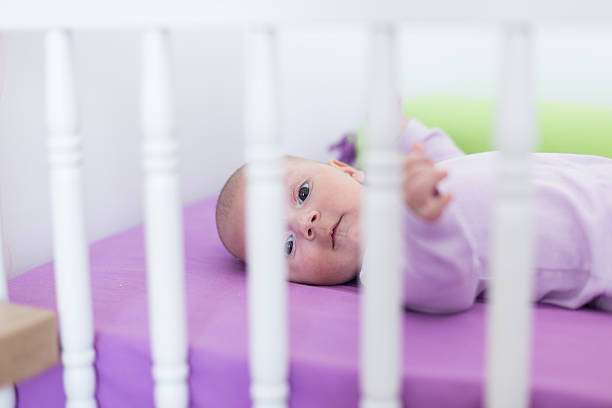
Even more important than washing is the following: thoroughly dry the baby bassinet.
Many parents overlook this point, but it is actually crucial.
If the inside of the baby bassinet crib bumper is damp for a long time, it may cause:
- Odor recurring
- Bacterial growth
- Baby has trouble sleeping
Suggested approach:
- Clean during the day and ensure sufficient ventilation time.
- Open the window and use the electric fan assistance
- Let it dry completely before applying it to your baby.
It’s better to not use it that day than to “make do with it half-dry.”
How to reduce the frequency of bed rails getting dirty? Daily prevention makes things easier.
Add a removable and washable inner lining
Some parents will add a layer of gauze or cotton padding and wash this layer directly when it gets dirty, which makes things easier.
Wipe it down regularly; don’t wait until it “looks dirty.”
Frequent light cleaning means less need for extensive cleaning.
Pay attention to areas with high rates of spitting up.
For example, areas where the baby’s head frequently rests can be given special protection.
When should you seriously consider replacing your baby bassinet?
If any of the following situations occur, it is not recommended to continue “toughing it out”:
- There is still a noticeable odor after cleaning.
- Internal filling of lumps and deformation
- The crib bumper was noticeably sunken and close to the baby’s face.
A sense of security is never something you can achieve by “making do.”
FAQ
Q1: Can the entire bed bumper be washed with water?
It’s not recommended. Soaking a bed bumper that can’t be removed in water can easily cause the internal filling to mold or deform.
Q2: Can I use alcohol or a strong disinfectant?
Not recommended. The pungent odor may linger, which is not good for a baby’s respiratory system.
Q3: How often should I clean the baby bassinet?
For light cleaning, once every 1-2 weeks is sufficient. If there is spit-up or obvious stains, it should be treated promptly.
Q4: Is a bed bumper necessary?
Not necessarily, but if you do use one, make sure it is kept clean, breathable, and stable.
Summarize:
In the process of raising children, there are many seemingly small moments that are emotionally draining. If the crib bumper can’t be removed or washed properly, it doesn’t mean you’re not doing a good job; it just means that many designs are simply not considerate of parents.
If you find that your current baby bassinet is causing you frequent problems with cleaning, structure, or safety, it may be time to reassess whether it is still suitable for your current parenting stage.
A baby bassinet that’s easier to clean and has a more ergonomic design—take a look at different designs to lighten the load for both you and your baby.
If you relax a little, your baby will sleep more peacefully.
Related Posts

How to Clean a Baby Bassinet Bumper That Can’t Be Removed
-
Posted by
 Jones Emma


