Babies explore their behavioral and security needs in a baby bassinet.

The baby bassinet is not only a place for babies to rest but also their first “little stage” for exploring the world. Many parents notice that babies reach out to grab things, twist their bodies, and observe their surroundings in the cradle. These behaviors not only reflect the baby’s curiosity but are also closely related to their need for security. Understanding this can help parents better design the cradle environment to promote the baby’s growth and mental well-being.
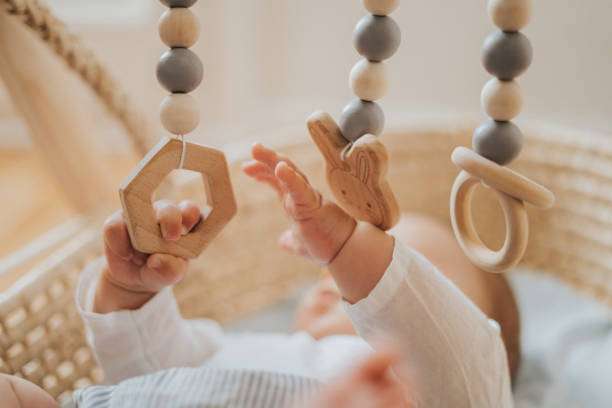
Scientific basis for baby’s exploratory behavior
1. Sensitive periods for touch and vision
For newborns and infants, tactile and visual development are their primary ways of perceiving the world. Soft blankets, plush toys, or baby bassinet-style hangings can stimulate a baby’s tactile senses, while light-colored, soft patterns and colors help with visual development without causing anxiety.
2. Exploration of Autonomous Movement
Babies reach out, kick, and wiggle their bodies in a baby bassinet, which is an important part of their muscle development and coordination. This kind of independent exploration requires a safe environment as boundaries. The bassinet provides just the right amount of “restricted freedom,” satisfying their movement needs while ensuring their safety.
3. Exploring Behavioral and Cognitive Development
Through grasping, shaking, and observing, babies gradually understand the existence, size, weight, and other attributes of objects. A cradle acts like a miniature laboratory, allowing babies to experience cause and effect within a safe environment. For example, shaking a toy produces a sound or a sway; this simple cause-and-effect feedback is the first step in a baby’s cognitive development.
The relationship between security and exploratory behavior
1. The cradle provides a sense of psychological security.
Babies are naturally dependent on the security provided by their parents and environment. Baby Bassinet’s swaddle design and soft padding make babies feel protected while they move, encouraging them to explore actively. Babies lacking security may reduce their reaching and grasping or observing their surroundings, exhibiting anxiety or restlessness.
2. The impact of the cradle environment on a sense of security
Soft and comfortable padding: reduces the risk of accidental bumps and knocks while providing warmth.
Secure edges and appropriate height: This helps babies feel that boundaries are clear during exploration, increasing their sense of psychological security.
Moderate toys and visual stimulation: Too many or too bright toys may cause anxiety in babies. Choose toys with soft colors and safe materials.
3. Parental involvement and sense of security
Even as babies explore independently in their baby bassinet, parental presence remains crucial. Eye contact, verbal responses, and smiling interactions make babies feel supported and further enhance their sense of security.
My friend’s daughter loves to grab the cradle toy. Whenever her mother gently encourages her or imitates her babbling, she laughs happily and continues to explore for a longer time.
Examples of a baby’s exploratory behavior in the cradle
Reaching out to grab the pendant: This exercises hand-eye coordination and satisfies curiosity.
Kicking or twisting your body: This strengthens core muscle control and prepares you for rolling over, crawling, and walking.
Eye-tracking toys: promote visual tracking ability and concentration.
Vocalization or babbling: Explore sounds and feedback to enhance language potential.
Grasp objects of different textures, such as plush toys, dolls, or soft rubber toys, to develop tactile sensitivity and fine motor skills.
How parents can optimize the cradle environment
1. Choose a suitable cradle
It has safety railings around the edges, is made of soft material, and is sturdy and reliable.
The size is just right, providing both safety boundaries and freedom of movement.
2. Provide toys suitable for exploration.
Lightweight and soft pendants or plush toys are most suitable.
Avoid small parts to prevent accidental swallowing.
Colors and shapes can be gradually increased in complexity, stimulating a baby’s cognitive development.
3. Ensure adequate lighting.
The baby bassinet should be soft, avoiding glaring sunlight or strong lights.
You can choose light-colored curtains or nightlights to create a warm environment.
4. Regularly observe your baby’s behavior.
Record your baby’s preferences and changes in exploratory behavior, and adjust the cradle layout as needed.
Pay attention to your baby’s emotional reactions and provide timely comfort and companionship.
5. Parental involvement in the interaction
Gently respond to your baby’s movements and sounds to reinforce their sense of security.
It can guide babies to grasp toys and imitate babbling sounds, increasing the fun of parent-child interaction.
FAQ (Frequently Asked Questions)
Q: My baby keeps moving around in
the baby bassinet. Is it restlessness or normal exploration? A: It’s usually normal exploration behavior. Babies develop their muscles and coordination by kicking, twisting, and grasping. As long as the bassinet is safe and comfortable, there’s no need to worry excessively.
Q: Will putting too many toys in
Does a baby bassinet affect their sense of security? A: Too many or overly bright toys may overstimulate a baby and even cause anxiety. It’s recommended to choose 2-3 soft toys in muted colors.
Q: Does a baby crying in their baby bassinet mean they lack a sense of security?
A: Crying could be a sign of hunger, a wet diaper, drowsiness, or a need for companionship and doesn’t necessarily indicate a lack of security. Observe your baby’s condition and offer appropriate comfort.
Q: Can my baby explore on their own when their parents aren’t around?
A: Babies can explore independently in a safe baby bassinet, but the presence of parents significantly enhances their sense of security and their enthusiasm for exploration.
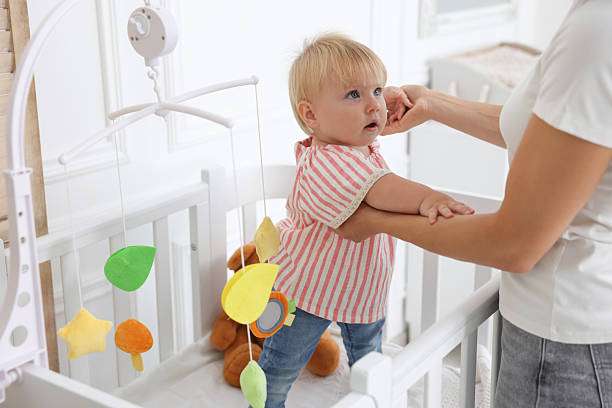
summary
A baby’s exploratory behavior in the baby bassinet is a crucial part of early cognitive, motor, and sensory development. These behaviors help babies build tactile, visual, and muscle control and cognitive abilities. The safe conduct of these explorations depends on the psychological and physical security provided by the cradle. By designing a suitable cradle environment, providing appropriate stimulation, and offering parental companionship, babies can not only rest peacefully but also experience the joy of growth through exploration.
Friendly reminder: Choose a safe and comfortable baby bassinet so that your baby can feel safe and secure while exploring the world.


