baby bassinet and sleeping bag: How to ensure your baby’s comfort and safety

Parents face many choices during their baby’s growth, especially regarding the baby’s sleep environment. An infant’s sleep quality directly impacts their health and development, making the selection of suitable sleep products crucial. Baby bassinets and sleeping sacks are two of the most common baby sleep aids, providing not only a comfortable sleep environment but also ensuring the baby’s safety. However, how do you properly combine a baby bassinet and sleeping sack to maximize the baby’s safety and comfort?
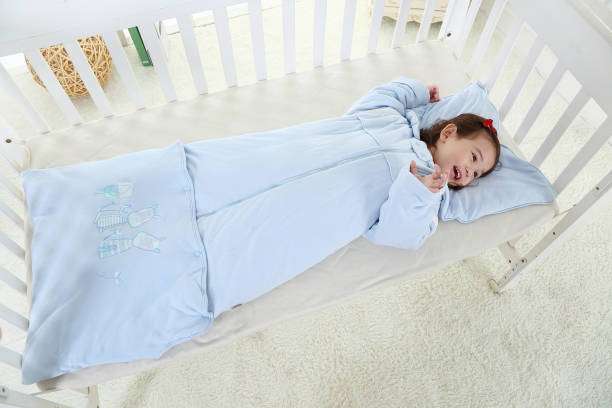
baby bassinet and sleeping bag
Baby Bassinet ‘s Functions and Safety
A baby bassinet is a top choice for many new parents because it provides a warm, comfortable, and safe sleeping environment for their baby. Bassinets are typically designed to be lightweight and portable, allowing them to be placed near the parents’ bed for easy baby care. The rocking motion of a baby bassinet helps soothe the baby, mimicking a mother’s embrace and helping them fall asleep.
However, safety is one of the most important factors to consider when choosing a baby bassinet. Modern baby bassinets typically come equipped with a safety harness and a stable base design to ensure the baby won’t accidentally slip out. At the same time, the rocking motion should be smooth and gentle, avoiding excessive shaking to prevent accidents to the baby.
Functionality and comfort of sleeping bags
Compared to traditional baby blankets, sleeping bags offer a safer sleep experience for babies. The design of a sleeping bag secures the baby’s legs and body, preventing the blankets from slipping off and reducing the risk of suffocation when the baby rolls over. Furthermore, sleeping bags help maintain the baby’s body temperature, preventing them from getting cold due to kicking off the blankets.
The material and size of a sleeping bag are crucial for a baby’s comfort. A baby’s skin is very delicate, so choosing a soft, breathable sleeping bag ensures a more comfortable sleep. A properly sized sleeping bag also avoids comfort issues caused by being too large or too small, ensuring the baby’s safety and health.
baby bassinet with sleeping bag
Make sure the sleeping bag is the right size
When choosing a sleeping bag for your baby, size is one of the most critical factors. Choosing a sleeping bag that is too large or too small can affect your baby’s sleep quality and safety. A sleeping bag that is too large may cause your baby to slide around in the cradle, while a sleeping bag that is too small will restrict your baby’s movement and may affect their breathing and blood circulation. Therefore, it is very important to ensure that the sleeping bag is the right size for your baby’s height and weight.
In the early days after my baby was born, I chose a slightly loose sleeping bag. However, when my baby rolled over in the baby bassinet, the sleeping bag would slip slightly, causing discomfort. Later, I switched to a properly sized sleeping bag, and my baby’s sleep quality improved significantly, which made me feel much more at ease.
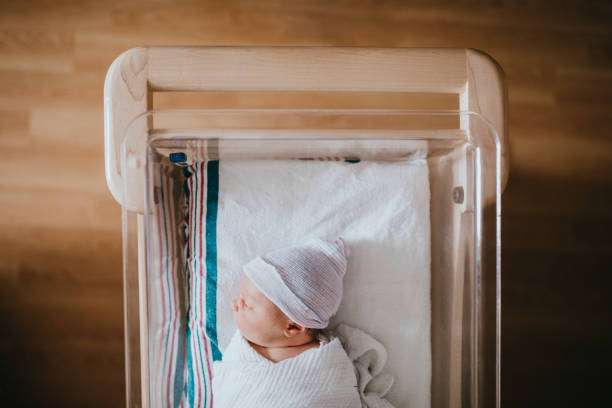
Uses breathable materials to maintain a comfortable temperature.
A baby bassinet and sleeping bag should be made of breathable materials to ensure your baby’s comfort and safety while sleeping. Breathable materials help maintain a suitable body temperature and prevent your baby from feeling uncomfortable due to overheating. Especially in warmer seasons, choosing breathable sleeping bags and baby bassinets can prevent your baby from overheating and avoid the risk of dehydration or heatstroke.
For example, choosing a sleeping bag made of pure cotton or natural fibers is not only comfortable but also breathable, which helps regulate the baby’s body temperature.
Avoid too many bedding items
When using a baby bassinet and sleeping bag, parents should avoid adding too many bedding items such as pillows, blankets, and quilts. The design of a baby bassinet should provide sufficient security for the baby, while excessive bedding may pose a suffocation risk and affect the baby’s respiratory safety. Using a sleeping bag ensures the baby stays warm without extra blankets, reducing unnecessary safety hazards.
How to properly pair a baby bassinet with a sleeping bag
Ensure the sleeping bag is secure
a baby to sleep in a baby bassinet, the sack’s stability is crucial. Ensure the baby’s legs cannot slide freely and the bottom of the sack does not drag on the ground. The sack should ensure the baby’s upper body is unrestricted, but it shouldn’t be too loose to prevent accidents if the baby rolls over.
In addition, the zippers or buttons on the sleeping bag should be securely fastened to prevent the baby from touching them while sleeping and increasing safety risks.
Regularly check your baby’s sleep environment
Parents should regularly check the baby bassinet and sleeping bag. Before putting the baby to sleep each time, ensure the bassinet is stable and the sleeping bag is not tight or loose to prevent accidents caused by discomfort. Ensure the baby’s sleeping environment is free of any items that could pose a safety hazard, such as pillows or toys.
Ensure your baby’s safe sleeping position in the cradle
Although the baby bassinet is designed to provide a comfortable sleeping space, the baby’s sleeping position also needs special attention. Make sure the baby is lying on their back in the bassinet and avoid sleeping on their stomach, as this reduces the risk of suffocation.
Other considerations when pairing a baby bassinet with a sleeping bag
In addition to ensuring the right size and material, parents should also pay attention to the following points when matching a baby bassinet and sleeping bag:
Choosing the right cradle angle: Some baby bassinet models are equipped with an adjustable angle, allowing parents to adjust the cradle’s angle according to their baby’s sleep needs. A proper angle can help babies fall asleep more easily and reduce stomach pressure.
Sleeping bag safety certification: Choose a sleeping bag that has passed safety certification to ensure that its materials and design meet infant safety standards. This helps avoid potential harm to your baby from harmful substances or unsafe designs.
Baby’s sleep environment: Ensure your baby’s sleep environment is quiet and undisturbed. Reducing light and noise can help your baby fall asleep quickly and improve sleep quality.
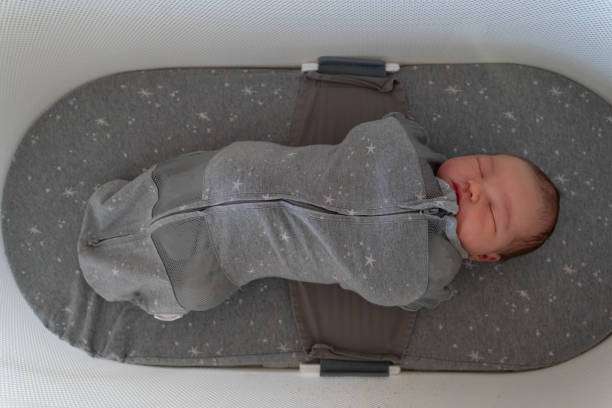
Conclusion
baby bassinet and sleeping bag correctly can not only improve your baby’s sleep quality but also maximize their safety. When choosing these sleep tools, parents need to consider their baby’s height, weight, comfort, and other factors to ensure that every detail meets their baby’s needs.
If you’re choosing a baby bassinet and sleeping bag for your baby and want to ensure their safety and comfort, click the link below to learn more about baby sleep products, choose the most suitable products for your baby, and provide the safest and most comfortable sleep environment.


