Baby Bassinet and Baby Snoring: Focusing on Respiratory Health and Sleep Posture

A baby’s healthy sleep is always a top concern for parents, and infant snoring is often a cause for worry. Many parents may not know that the design of a baby bassinet and the baby’s sleeping position can affect the quality of their breathing, thus linking it to snoring. This article will provide parents with scientific guidance and practical advice on baby bassinet design, the supine sleeping position, and respiratory health.
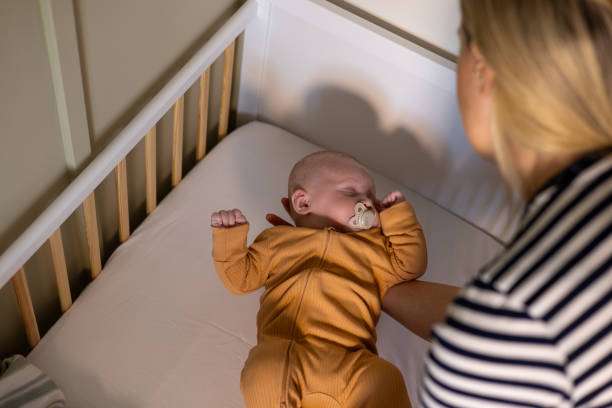
baby bassinet design on respiratory health
The baby bassinet is not only a sleeping place for the baby but also directly related to the baby’s breathing and positional safety. Modern baby bassinets mostly adopt a supine design, where the baby’s back is close to the bottom of the bassinet and the head is slightly elevated. This design has several significant advantages:
Reduce airway obstruction: Sleeping on your back keeps the airway naturally open, which helps reduce breathing obstruction caused by the tongue falling back or the soft palate drooping, thus reducing the likelihood of snoring.
Promotes neck and spine development: An infant’s spine is not yet fully developed, and the supine design can maintain the natural curvature of the spine and avoid neck pressure caused by lying on the side or stomach.
Easy to observe and care for: Parents can clearly see their baby’s breathing, detect abnormalities in time, and reduce the risk of sleep apnea caused by snoring.
My baby used to snore slightly occasionally when using a traditional cradle, but since we switched to the baby bassinet designed for lying on his back, the snoring has decreased significantly, and his sleep has become more restful.
Common causes of snoring in babies
While snoring is common in babies, the causes are varied and not solely related to the cradle:
Respiratory problems: nasal or throat blockage, such as from a cold, nasal congestion, or enlarged adenoids.
Sleeping posture: Lying on your stomach or side can cause the tongue to fall back, increasing breathing resistance and thus causing snoring.
Weight and fat distribution: Obese babies may have narrowed airways due to excess fat in their necks.
Environmental factors: Dry air or allergens can also trigger snoring.
In this context, the baby bassinet’s supine design becomes particularly important, as it can alleviate snoring caused by improper posture to some extent.
The scientific connection between supine design and sleeping posture
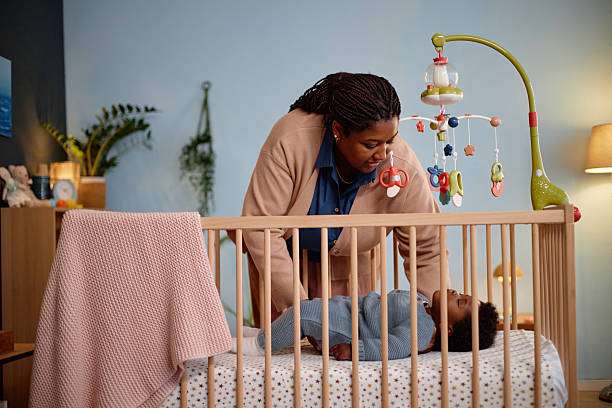
Multiple studies have shown that the supine sleeping position is an important factor in preventing Sudden Infant Death Syndrome (SIDS) and breathing difficulties. The baby bassinet’s supine design keeps the baby’s airway naturally open by slightly elevating the head or tilting the base.
A slightly tilted bed: A slight tilt (about 10°) can help clear phlegm from the nose and throat and reduce snoring.
A secure cradle strap: prevents the baby from rolling over onto their stomach while sleeping and keeps them in a supine position.
Breathable materials: The cradle mattress and side rails are made of breathable materials to reduce the risk of airway obstruction.
Through these designs, the baby bassinet not only provides a comfortable sleep environment but also effectively improves respiratory health and reduces snoring.
Practical tips for improving baby’s snoring
Besides choosing a scientifically designed baby bassinet, parents can also consider the following aspects:
Keep the air humid: Use a humidifier or maintain a suitable indoor humidity level to reduce nasal dryness.
Clean your nasal passages regularly: Nasal congestion can worsen snoring, especially during cold or allergy season.
Adjust the pillow height appropriately: baby-specific pillows can slightly elevate the head to help with unobstructed breathing.
Monitor weight and diet: Control weight appropriately to avoid respiratory stress caused by obesity.
Regularly monitor snoring: If you experience persistent, high-frequency snoring or sleep apnea, seek medical attention promptly to rule out potential health problems.
Tip: Even mild snoring should not be completely ignored, as it may affect a baby’s sleep quality and oxygen supply in the long run.
Key points for choosing a baby bassinet
When choosing a baby bassinet, in addition to paying attention to appearance and material, you should also pay attention to the following points:
Supine or adjustable tilt design: Ensures the baby’s head is slightly higher than their body, which helps keep the airway clear.
Stable support and safety belt: prevent excessive shaking or rollover accidents.
Breathable mattresses and eco-friendly materials reduce allergens and respiratory irritation.
Easy to clean: Convenient for maintaining hygiene and reducing the risk of respiratory infections.
These design elements work together to help reduce snoring and improve sleep quality in babies to some extent.
Summarize
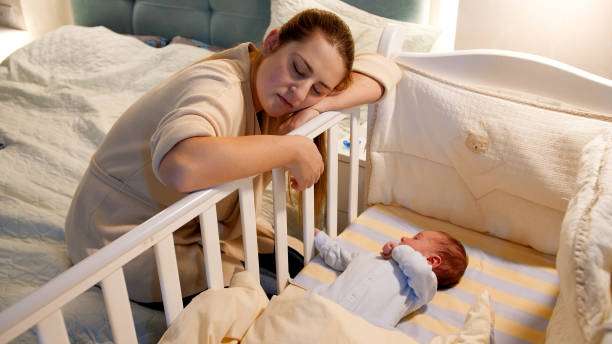
The baby bassinet’s supine design has a significant impact on a baby’s respiratory health. It not only improves sleeping posture and reduces snoring caused by improper positioning but also makes it easier for parents to observe and care for their baby. Combined with measures such as air humidity control, nasal cleaning, and appropriate pillow height, the incidence of snoring in babies can be significantly reduced.
I’ve noticed that since my baby started using the scientifically designed baby bassinet for supine positions, his snoring at night has significantly decreased, and he sleeps more soundly throughout the night, giving me peace of mind.
A baby bassinet with a supine design and good breathability is key. See our selection of baby bassinets, ensuring your baby sleeps soundly every night.


