Does a baby bassinet need a light-blocking design? Moderate light is more beneficial for a baby’s growth.

In a newborn’s life, the comfort of the sleeping environment directly affects the baby’s health and development. Many parents are troubled by one question when choosing a baby bassinet: Does a baby bassinet necessarily need a light-blocking design? In fact, this is not absolute. The key is to ensure suitable lighting, allowing the baby to enjoy natural light while avoiding excessive direct sunlight. This article will provide parents with comprehensive guidance from the perspectives of the impact of light on babies, key points for choosing a bassinet, and practical experience sharing.
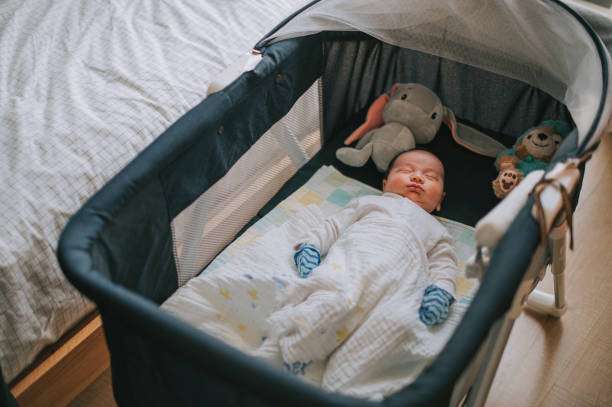
The effects of light on infant sleep and development
Light not only affects adults’ circadian rhythms but is equally important for newborns. Studies show that moderate natural light helps babies establish a circadian rhythm, improving their consistency between daytime wakefulness and nighttime sleep. However, strong direct sunlight can cause discomfort for babies and even affect their skin and eye health.
During my time raising my baby, I was once worried that he would get sunburned sleeping in a baby bassinet. I tried a bassinet with a thick blackout liner, but I found that my baby slept restlessly in a completely dark environment and sometimes woke up crying.
Later, I adjusted Baby Bassinet’s position and hung a light, sheer curtain in front of the window. As a result, Baby Bassinet napped longer and more soundly, and the room was well-ventilated with soft, natural light. This experience made me realize that moderate light is far more beneficial than complete darkness.
Does a baby bassinet need to be kept dark?
Many parents mistakenly believe that blackout cradles are a necessity, but in reality, this is not the case in most cases. Whether or not a blackout is needed can be considered from the following aspects:
1. Room lighting conditions
A room with soft natural light: If the indoor light is sufficient but not glaring, a regular cradle will suffice, and there is no need for additional shading.
Rooms with direct sunlight: If the windows face the sun, especially in the morning or afternoon when the sunlight is strong, you can filter the light with light curtains or adjustable curtains instead of buying a blackout cradle.
2. Placement of the cradle
Avoid placing the baby bassinet in direct sunlight, such as on a windowsill or balcony.
Choose a corner with soft lighting so your baby can enjoy moderate sunlight while avoiding sunburn.
3. Baby’s light sensitivity
Some babies are more sensitive to light and are easily startled awake by bright light. In this case, you can choose a light-blocking cradle or use a gauze curtain.
For most babies, moderate light not only does not interfere with sleep but also helps establish their circadian rhythm.
Instead of heavy blackout curtains, we adjust the position of the cradle and use sheer curtains to allow the baby to enjoy soft light. Especially in summer, I take care to avoid prolonged direct sunlight, while in winter I use sunlight appropriately to increase warmth.
How to avoid prolonged exposure to direct sunlight
Even if you don’t choose a baby bassinet to block out sunlight, parents should still take measures to prevent their babies from getting sunburned by direct sunlight:
Sheer
Curtains can effectively filter light, keeping the room bright but not glaring, while ensuring air circulation.
Adjust the cradle’s position
according to the direction of sunlight each day. For example, if the morning sun shines in through an east-facing window, move the cradle to a shaded area.
Regularly observe your baby’s reactions
If your baby frowns, squints, or becomes irritable, it means the light is too strong and you need to adjust the light or the direction of the cradle.
In
dimly lit rooms, a soft nightlight can be used to provide a stable light source for the baby, ensuring convenient nighttime care.
Advantages and disadvantages of blackout cradles
advantage:
Providing a relatively dark environment can help your baby fall asleep during the day.
Avoid strong light irritating your eyes.
shortcoming:
Thick blackout fabric may restrict airflow in the baby bassinet, making the baby feel stuffy.
Insufficient indoor lighting affects the natural light in family life.
It is cumbersome to move and clean and not flexible in use.
a baby bassinet with slight light blocking, or pair it with an adjustable curtain, instead of pursuing a completely blackout design.
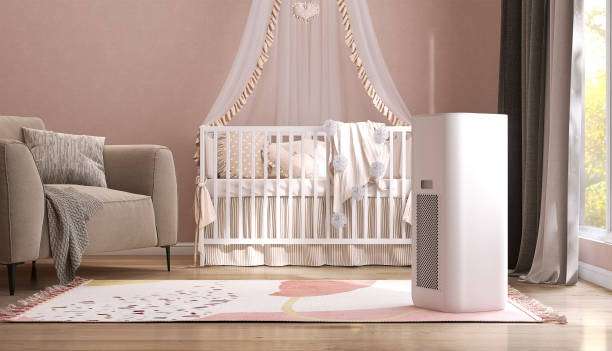
I tried two types of cradles: one with a thick blackout drape and the other a regular cradle with a sheer curtain. While the thick blackout drape did block out the sunlight when it was strong, it also prevented air circulation, making the baby feel stuffy and hot. With the regular cradle and the sheer curtain, the baby napped soundly during the day, and his sleep patterns at night became more consistent.
I also found that a baby’s sensitivity to light changes with age. Newborns may be more sensitive to light, but after a few months, moderate light can help them better distinguish between day and night.
Light management recommendations for different seasons
Spring and autumn: The light is moderate, and natural shading can be achieved by adjusting the position of the curtains and cradle.
Summer: The sun is strong, so avoid prolonged exposure of the cradle to the sun. Use a gauze curtain or a light blackout cloth if necessary.
Winter: Make good use of sunlight to increase warmth, but still avoid prolonged exposure to direct sunlight on the skin.
On cloudy or rainy days: When there is insufficient light, soft indoor lighting can be used to supplement it.
Cradle selection and lighting matching techniques
Material selection: Choose a breathable wooden or fabric cradle, avoiding overly thick materials that may impede airflow.
Color choice: Light-colored cradles reflect light, keeping the room bright.
Adjustable accessories: Removable blackout fabric or curtains offer greater flexibility and adapt to different lighting needs.
FAQ
Q1: Does
Does a baby bassinet need to be completely shaded? A: No. The key is to avoid prolonged direct sunlight; moderate light helps maintain the baby’s circadian rhythm.
Q2: My baby is sensitive to light; how can I adjust the lighting?
A: Observe your baby’s reaction. If they frown or become irritable, you can adjust the position of the cradle or provide slight shade.
Q3: Are sheer curtains sufficient to replace a blackout cradle?
A: Usually, yes. Sheer curtains can filter light while ensuring the room is bright and well-ventilated.
Q4: Is there any particular direction the cradle should be placed in?
A: Yes. Try to avoid direct sunlight and choose a corner with soft lighting and good air circulation.
Q5: Will a blackout cradle affect the indoor temperature?
A: Heavy blackout fabric may block air circulation, causing the indoor temperature to become stuffy. Light blackout or sheer curtains are more suitable.

Summarize:
In general, a baby bassinet doesn’t necessarily need to have a blackout design. Parents can choose based on the following principles:
Avoid prolonged exposure to direct sunlight and ensure soft indoor lighting.
The cradle is made of breathable material and has a light, bright color.
It can be paired with sheer curtains or adjustable blackout fabric, allowing for flexible adjustments based on the season and lighting conditions.
Observe your baby’s reaction and respond flexibly to changes in light.
Moderate natural light is better for a baby’s growth than complete darkness, while maintaining indoor comfort and ventilation.
Check out our curated selection of baby bassinets and nursery decor recommendations to help your baby grow up healthy in a safe and comfortable environment.


