Baby Bassinet Safety Guide: Why Avoiding Pillows and Blankets is Crucial

Modern parents are increasingly focused on a safe sleep environment for their babies, and as a commonly used sleep aid for newborns and infants in their early stages, the safety of a baby bassinet cannot be ignored. Many new parents wonder: can I put a pillow or blanket in my baby’s bassinet?
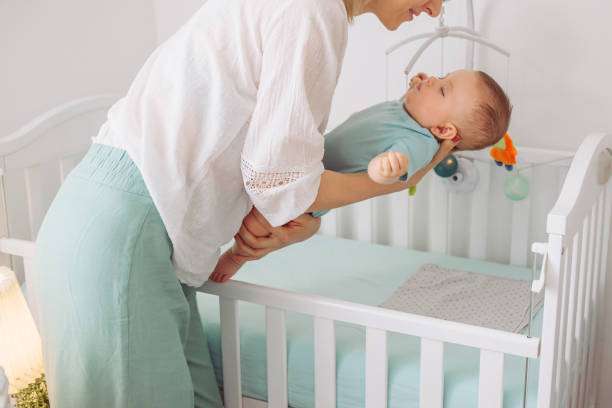
Why can’t pillows and blankets be used in a baby bassinet?
Baby bassinet space is limited, and if pillows, thick blankets, or other soft items are placed in it, the baby may press their face against these items when rolling over or moving, causing breathing obstruction. This not only increases the risk of suffocation but may also trigger Sudden Infant Death Syndrome (SIDS). Studies show that overly soft bedding in the sleep environment is one of the high-risk factors for SIDS. Therefore, for the baby’s safety, the baby bassinet surface should be kept flat and simple.
Reduce the risk of suffocation and SIDS
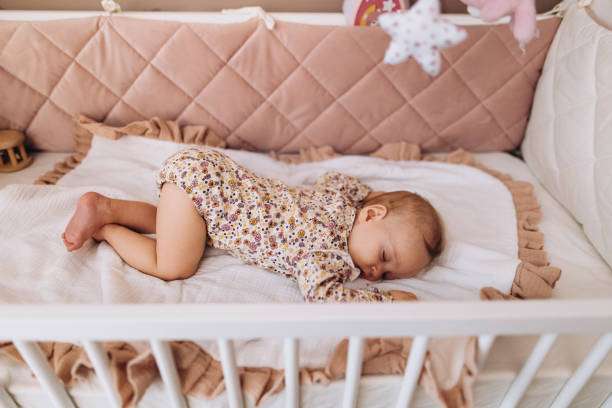
In a baby bassinet, any soft pillows, blankets, plush toys, or movable crib bumpers can obstruct a baby’s breathing.
Case Study: My friend Lily, when she first became a mother, also placed small pillows and plush toys in her baby’s bassinet, hoping to make her baby more comfortable. However, her son almost smothered his face when he rolled over. Since removing these items, she has noticed that her baby breathes more easily at night and is less startled awake when rolling over.
The American Academy of Pediatrics (AAP) clearly states that newborns should lie flat on a firm, flat mattress, avoiding pillows and thick blankets. This principle is even more crucial for the baby bassinet, which is a small sleeping space.
Maintaining proper spinal and cervical spine development
A baby’s cervical spine and spine are still developing. Using a pillow or overly thick blanket may cause the neck to be excessively elevated or twisted to the side, increasing pressure on the spine and potentially affecting the airway. Baby Bassinet’s flat, firm mattresses help babies maintain a supine position, thus supporting healthy spinal development.
I tried adding a thin pillow to my baby’s bassinet and found that his breathing became uneven when his head was tilted slightly. After removing the pillow, he fell asleep more soundly, and his breathing became more natural.
Reduce the risk of overheating
Infants’ thermoregulation abilities are not yet fully developed, and using thick blankets and pillows can easily lead to overheating, which is another risk factor for SIDS. Baby bassinet space is limited, and too many bedding items increase the risk of overheating.
Practical suggestions:
Use breathable baby onesies or sleeping bags instead of blankets.
Maintain a comfortable indoor temperature (approximately 20–22°C / 68–72°F).
Avoid covering the baby’s body too much, as this can hinder heat dissipation.
Simplify cradle use and care
Baby bassinet mattresses are typically designed to be compact and easy for parents to care for. Adding pillows and thick blankets restricts movement and increases cleaning difficulty. Keeping the mattress flat and simple is not only safer but also makes daily care easier.
I chose a baby bassinet mattress protector for my friend that comes with a removable and washable mattress cover. Removing the extra pillows and blankets makes each wash much easier, and the baby sleeps more soundly.
baby bassinet ‘s safe sleep
Choose a firm, flat mattress that meets safety standards. Select a certified firm mattress to ensure the surface is solid and flat. The baby bassinet mattress should fit perfectly against the bottom of the cradle, avoiding any gaps.
Using a sleeping bag or onesie: Wearing a seasonally appropriate sleeping bag or onesie for your baby provides warmth without increasing the risk of suffocation. This can replace a traditional blanket while allowing your baby to move their limbs freely.
Keep your baby bassinet simple. Only keep essential bedding on the bed, avoiding loose pillows, thick blankets, plush toys, or movable bed bumpers. The baby bassinet should be used as a safe, confined sleeping space, not as a decorative piece.
Babies should sleep on their backs, avoiding sleeping on their stomachs or sides with a pillow. Sleeping on their backs not only helps with spinal health but also reduces the risk of SIDS (Susceptible Infantile Disorders).
Frequently Asked Questions (FAQ)
Can you put plush toys in
a baby bassinet? It’s not recommended. Loose toys increase the risk of suffocation.
Is it okay to use a thin blanket?
A baby sleeping bag or onesie is a safer alternative to a thin blanket.
Is it more dangerous for a baby to roll over?
Even as your baby can roll over on their own, you should still keep the cradle simple and make sure the mattress is snug against the bottom of the cradle.
Summarize
Avoid using pillows and blankets in a baby bassinet to prevent suffocation, maintain spinal health, and reduce the risk of overheating. A simple, safe sleep environment is essential for a baby bassinet, which not only aligns with scientific recommendations but also provides peace of mind for parents. By choosing a firm mattress, sleeping bag, or onesie, and keeping your baby on their back to sleep, you can provide a safe, comfortable, and healthy sleep experience for your baby.
Click to view and choose a safer and more comfortable baby bassinet for your baby!


