How to clean and care for your baby bassinet: A practical guide to extending its lifespan

For new parents, the baby bassinet is not only a place for their baby to sleep but also an important part of the home environment. Regular cleaning and maintenance are crucial to ensure the baby’s safety and comfort while using the bassinet. This article provides a series of practical tips to help extend the lifespan of your baby bassinet and keep it clean and safe.
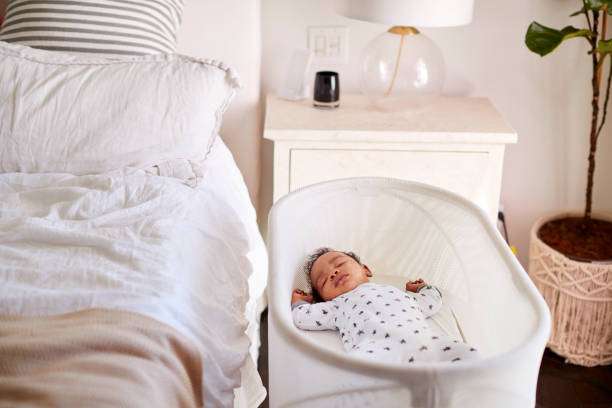
Regular cleaning: Ensure the cradle is always hygienic
A baby’s skin is delicate and spends a lot of time in contact with the cradle. If the cradle isn’t cleaned regularly, bacteria and dust can easily accumulate, affecting the baby’s health. A thorough cleaning once a week can effectively prevent these problems.
Clean mattress and sheets
Baby bassinet mattress cleaning:
Removable mattress: If the cradle mattress is removable, remove the mattress cover first and machine or hand wash according to the label instructions.
For non-removable mattresses: Use a vacuum cleaner to clean the mattress surface to remove dust and debris. If there are stains on the mattress surface, you can gently wipe them with a damp cloth dampened with mild soapy water and then dry the mattress with a dry cloth to avoid making the mattress too wet.
Baby bassinet sheets and fabrics:
Change your sheets, blankets, and pillowcases weekly using a mild baby detergent. Regularly check for tears or wear and tear, and replace or repair them as needed.
Wooden baby bassinet care: Avoid scratches and fading
Wooden cradles are elegant in appearance, but they are easily scratched or damaged by liquids. Proper care can maintain the beauty and durability of a wooden cradle.
Daily cleaning
Dry wiping: Use a soft cloth or microfiber cloth to wipe the wood surface regularly to remove dust.
Wet wiping: If there are stains on the surface, gently wipe with a small amount of warm water and neutral detergent to avoid moisture penetrating into the wood and preventing the wood from warping or becoming moldy.
Coating protection
For painted wooden cradles, use a natural wood protectant oil that does not contain chemicals to maintain the wood’s luster and prevent cracking. Also, avoid placing the cradle in direct sunlight to prevent the wood from fading or warping.
Baby Bassinet metal and plastic parts care: preventing aging and rust
Metal and plastic parts (such as cradle frames and supports) are prone to rusting or aging if they are not properly maintained, which can affect the stability and lifespan of the cradle.
Clean metal parts
Regularly wipe metal surfaces with a clean cloth and warm water, avoiding prolonged contact between metal parts and moisture. If rust is found, gently sand the rust with fine sandpaper, then apply rust-preventive oil or metal protectant to ensure the durability of metal parts.
Baby Bassinet Cleans Plastic Parts

Plastic parts can be cleaned with a soft cloth and a mild detergent. Avoid using strong acid or alkaline cleaners, as these may damage the plastic surface, causing discoloration or brittleness.
Prevent mold growth: Keep the cradle dry
Damp environments are prone to mold growth, especially in humid seasons or regions. To prevent mold growth in a baby bassinet, it is very important to keep the cradle dry.
Keep ventilated
When the cradle is not in use, ensure good ventilation in the baby’s room. You can use a humidifier or dehumidifier to regulate the humidity and ensure a dry and suitable environment around the cradle.
Baby bassinet regular checkups
Regularly check the mattress, frame, and other easily damp areas of the cradle. If mold is found, wash it with a mixture of white vinegar and water, then let it air dry.
Regularly check the safety of the cradle.
In addition to cleaning and maintenance, regularly checking the various safety features of the baby bassinet is also key to ensuring the baby’s safety.
Check structural integrity
the baby bassinet to ensure they are secure and not loose or damaged, thus avoiding potential safety hazards during use.
Check seat belts and buckles
Ensure the bassinet’s safety belt and buckle are intact and securely fastened to your baby. A loose or detached safety belt could lead to accidental injury to your baby.

Use the cradle properly: avoid excessive wear and tear.
A baby bassinet is not a permanent product; its lifespan will gradually shorten as the baby grows. To avoid damaging the bassinet due to overuse, parents should replace or upgrade the bassinet as needed, based on the baby’s weight and age.
Follow the manufacturer’s recommendations
Every baby bassinet product has its lifespan and maximum weight limit. Following these recommendations will ensure the bassinet’s safety and longevity. Regularly check the bassinet’s condition and replace it with a new product suitable for your baby when needed.
Summarize:
By regularly cleaning, properly maintaining, avoiding moisture, and conducting regular checks, you can not only extend the lifespan of your baby bassinet but also provide a safer and more comfortable sleeping environment for your baby. The bassinet is your baby’s first “bed,” and creating a clean and safe sleeping environment for them is every parent’s responsibility.
As your baby grows, you may find that the bassinet is no longer suitable, and upgrading or replacing it in a timely manner is an important decision for every parent. What are your experiences or suggestions regarding bassinet maintenance? Feel free to share them with us in the comments section!
Check out our curated selection of baby bassinets to protect your baby’s health!


