Handmade rattan baby bassinet: making your baby comfortable and safe.

As parents, we always want the best for our babies—not just clothes and toys, but also their sleeping environment. Baby bassinets, especially handmade rattan baby bassinets, are often a new choice for many families.
It’s natural, breathable, and beautiful, but it can also cause some dilemma: can aesthetics and safety be reconciled?

The charm of handmade rattan baby bassinet
Handmade rattan baby bassinets are cherished for their natural material and unique craftsmanship. The interwoven rattan, with its clear texture, exudes warmth in every detail. Compared to plastic or metal cradles, it offers:
- Closer to nature
- Soft to the touch
- Good ventilation, not stuffy
- It carries the warmth of handcrafted art.
When I was choosing a baby cradle, I was immediately drawn to the warm and cozy feel of rattan. Seeing my baby sleeping peacefully in it every day brings a sense of security that no other material can replace.
However, aesthetics cannot replace safety. We must carefully consider this when choosing a rattan baby bassinet.
Safety considerations: Not all rattan cradles are suitable.
Although rattan weaving may seem delicate, parents need to pay attention to a few key issues:
The sturdiness of the cradle depends on the baby’s weight and movement; each rattan bar needs to be tightly and firmly secured. Loose rattan bars may pose a risk of pinching or breaking.
Check the surface for roughness: Some handmade rattan weaving has uneven edges that can easily scratch a baby’s skin. It is essential to check the surface for any burrs or sharp parts.
The stability of a cradle is crucial: it should maintain balance during rocking to prevent tipping. Many parents are misled by the soft lines of a rattan cradle, thinking it will be easier to rock. However, if the base is unstable, the safety risks increase.
Environmentally friendly materials: Natural rattan may contain harmful residues if it has undergone chemical treatment or painting. Choosing a naturally treated, odorless rattan baby bassinet can protect your baby from chemical risks.
I remember initially seeing a beautifully colored wicker basket, but it had a pungent smell. Although it looked perfect, I passed on it. My baby’s safety always comes first.
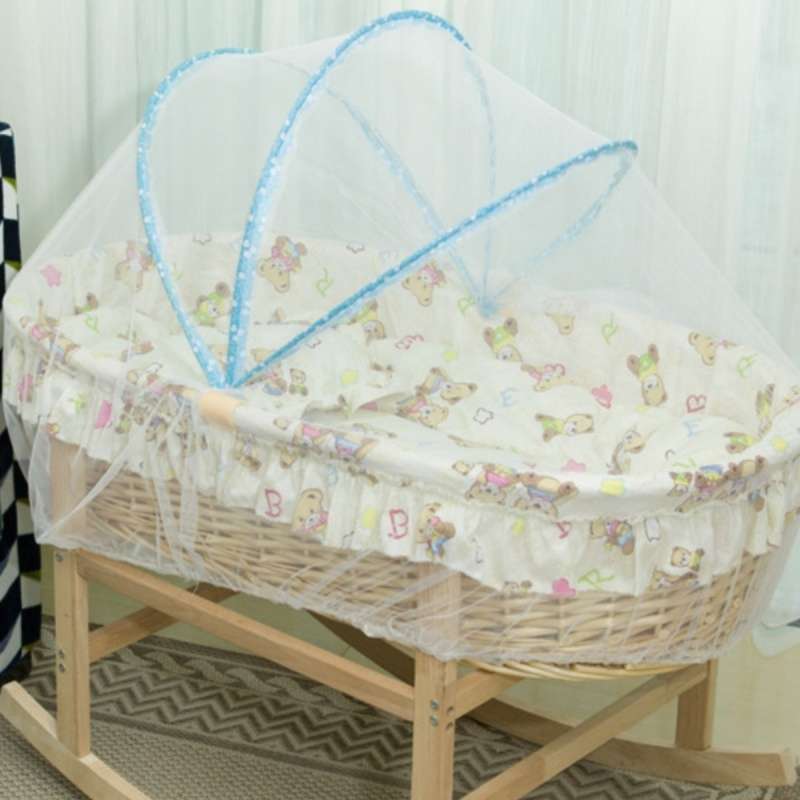
Comfort should not be overlooked.
Besides safety, comfort is equally important. While a rattan baby bassinet is breathable, it may feel hard, cold, or unstable to the baby without proper padding or bedding.
- Pad selection: Choose breathable and easy-to-clean materials.
- Bedding selection: Comfortable against the skin, fits well, and leaves no large gaps.
- Shaking amplitude: Gentle rocking is sufficient; excessive shaking should be avoided to prevent startling the baby.
I added a thin cotton pad to the cradle and then laid a soft sheet on top, making the cradle both safe and comfortable. Every time the baby falls asleep, I gently rock him a few times, and he can drift off to sleep peacefully.
Care and usage tips for rattan baby bassinet
Handmade rattan requires extra care and attention from parents for maintenance:
Avoid dampness: Prolonged exposure to moisture can cause the rattan to mold or warp. It’s best to store it in a well-ventilated, dry room.
Regularly inspect: Inspect the rattan for looseness or cracks. Repair or replace any damaged rattan promptly.
For gentle cleaning: Simply wipe with a soft cloth; avoid using harsh cleaning agents.
During use, I wipe it with a dry cloth once a week to keep the rattan dry. This makes the cradle both beautiful and safe and also extends its lifespan.
Tips for choosing rattan baby bassinet
- The size is just right: the baby can stretch freely, but there won’t be too much gap.
- A stable base: The bottom of the cradle should ideally be wide and well-balanced.
- Easy to move: Although rattan is lightweight, the overall design should facilitate movement.
- Matching style with home decor: Choosing natural colors makes it easier to blend into the home environment.
FAQ
Q1: Is a rattan baby bassinet suitable for newborns?
Yes, but it must be used with a flat, soft pad, and the rattan must be sturdy and free of splinters.
Q2: Can the cradle be used all day?
It’s not recommended. A cradle can be used during the day to help the baby fall asleep, but it’s best to put the baby in a crib at night for safety.
Q3: Are rattan cradles easy to tip over?
A properly designed rattan cradle with a stable base has a very low risk, but parents should still rock it gently to prevent the baby from grabbing and shaking it on their own.
Q4: Is it difficult to clean a rattan cradle?
No, it’s not difficult. Simply wipe it with a dry cloth; the cushion can be washed separately. Avoid damp environments.
Q5: Are rattan cradles better than regular cribs?
Each has its advantages. Rattan cradles are aesthetically pleasing, breathable, and easy to soothe babies; cribs are more suitable for long-term, safe sleep. They can be used in combination depending on your needs.
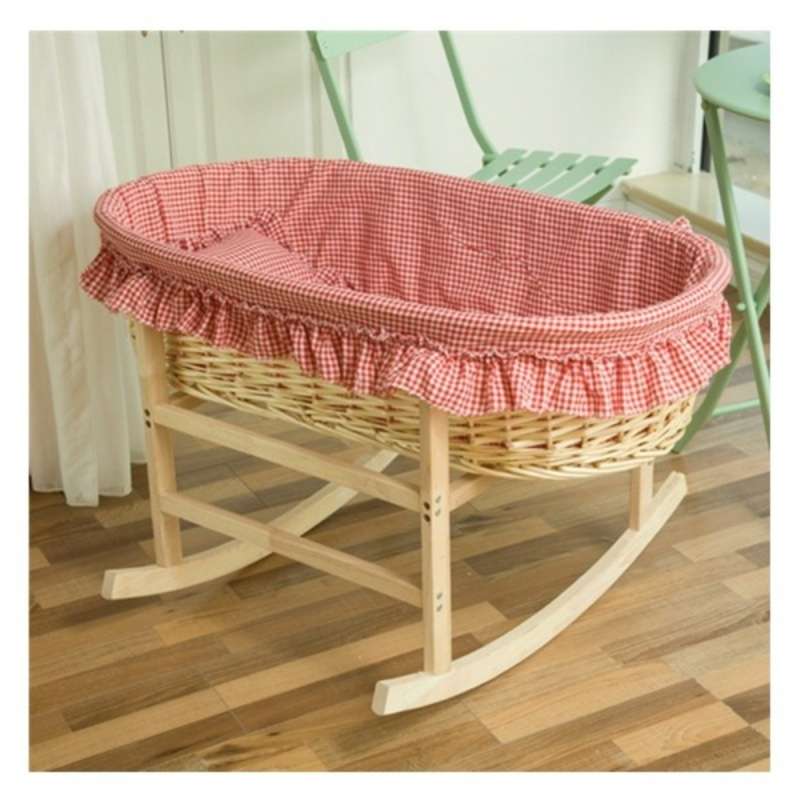
Summarize
The handmade rattan baby bassinet possesses both a natural and warm aesthetic and embodies the parents’ love for their baby. However, safety is always paramount. When choosing a cradle, stability, smoothness, environmental friendliness, and comfort are key. With appropriate mattresses and bedding, coupled with attentive parental care, the baby can sleep soundly in the cradle, giving parents greater peace of mind.
If you’re choosing your baby’s first sleep item, consider a high-quality handmade rattan baby bassinet that combines aesthetics and safety, providing your baby with a warm and comfortable sleep experience.


