Three-point or five-point harness? What you need to know about baby bassinet seat belts.

For every new parent, a baby bassinet is not only their baby’s little world but also a source of peace of mind for the parents.
Choosing a safe and comfortable bassinet is important, but the design of the safety harness is often the most easily overlooked detail. Three-point harnesses, five-point harnesses—which is best for your baby? Today, we’ll discuss this topic in detail.
When choosing a bassinet for my baby, I also struggled with this question: three-point harnesses seemed simple and convenient, while five-point harnesses offered an added sense of security.
After some research and experimentation, I realized that understanding the advantages and disadvantages of each design is crucial to choosing the most suitable type of seatbelt for my baby.
Baby Bassinet three-point harness: simple and convenient, suitable for light restraint.
A three-point seatbelt typically consists of two shoulder straps and a lap belt, forming a three-point fixation.
Its advantages include:
- Easy to use: Parents can easily fasten and unfasten the buttons, making it especially suitable for quick use when caring for a baby at night.
- High comfort level: The restraint is relatively gentle, making it easier for the baby to move their arms freely in the cradle.
- Suitable for short-term use: When the baby is awake or in a lightly active phase, the three-point harness can provide basic protection.
However, the three-point style also has limitations:
- Relatively low safety: If the baby is active or large, the baby may slip out from the waist or shoulders.
- Not suitable for long periods of sleep: During deep sleep, babies are at higher risk of rolling or turning over.
In the first few weeks after my baby was born, I chose a three-point baby bassinet because I thought it was easy and convenient. However, I soon found that it wasn’t secure enough for my baby’s waist when he rolled over at night. Later, I realized that the three-point bib is more suitable for awake periods and short rest periods.
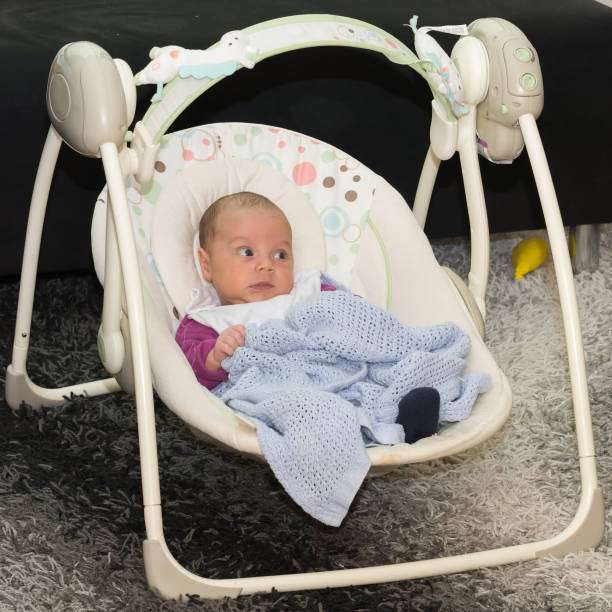
Baby Bassinet 5-point harness: provides all-around restraint for enhanced safety.
The five-point baby bassinet harness adds two leg straps to the three-point harness, forming five anchor points: shoulder, waist, and legs.
The advantages are obvious:
- High safety: Five-point fixation can effectively prevent the baby from slipping out or falling, especially suitable for babies who have just learned to roll over.
- Suitable for long periods of sleep: The safety belt can still securely hold the baby’s body in place even when the baby is rolling around in the baby bassinet.
- Suitable for active babies: Babies with high activity levels need more comprehensive protection.
The disadvantages also need to be noted:
- Dressing and undressing can be relatively troublesome: when frequently caring for the baby at night, the five-point suit may take a little longer to put on and take off.
- It can feel restrictive: Babies have limited space to move their hands and feet, and prolonged use may affect their comfort.
I started trying a five-point harness when my baby was around four months old. At first, my baby wasn’t used to it, especially when his legs were restrained; he would always try to kick them off. But after a few days, I noticed that he slept more soundly at night, which made me, as a parent, feel much more at ease. At this stage, if the cradle wasn’t secured with a five-point harness, I probably would have had to stay up all night to relax.
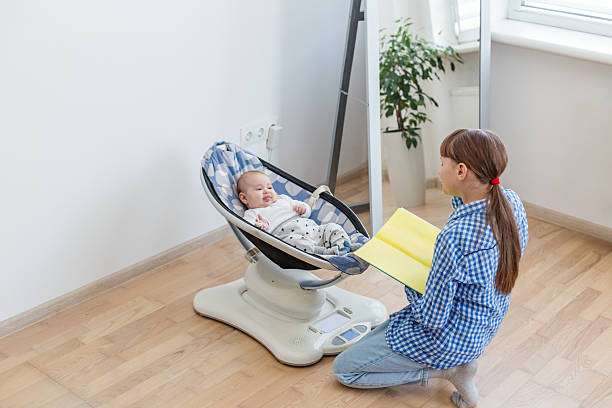
Key considerations when choosing a seat belt
Choosing between a three-point or five-point bib isn’t an absolute standard, but rather depends on the baby’s developmental stage and the parents’ lifestyle habits. The following points should be considered:
Baby’s mobility
- Newborns or babies with limited mobility: a three-piece suit is sufficient.
- For active babies with good rolling-over skills: a five-point harness is more suitable.
Use cases
- For short rest periods or monitoring during the day: the three-point harness is convenient.
- At night or when unattended: Five-point harness is safer.
Parents’ operating habits
- If you need to pick up your baby frequently at night: a simple three-point harness might be more convenient.
- If you’re looking for comprehensive safety, the five-point system is worth getting used to.
Cradle design itself
- Some baby bassinet kits come with a fixed base or guardrail, so a three-point harness may also provide a fairly good level of safety.
- A cradle without extra protection is better secured with a five-point harness.
Seatbelt usage tips
- Keep it neither too tight nor too loose: A seatbelt that is too tight will affect the baby’s breathing and blood circulation; a seatbelt that is too loose may cause the baby to slip out.
- Regularly check for wear: Whether it is a three-point or five-point fastener, regularly check the wear of the fasteners and straps.
- Note the posture: Make sure the baby’s back is firmly against the bottom of the cradle and the legs are naturally bent.
- Adjust clothing thickness according to the season: thick clothes may affect the fastening and securing effect, especially for five-point suits.
I once dressed my baby in a thick cotton coat in winter, but the five-point harness wouldn’t fasten. Later, I switched to a thin cotton undershirt and covered it with a blanket, which kept it warm and safe. This small detail saved me from a potential risk.
V. FAQ: The most frequently asked seat belt questions by parents
Q1: Is it necessary for newborns to use a baby bassinet 5-point harness?
Not necessarily. Newborns have limited mobility, and a 3-point harness can provide basic protection. However, if parents want more peace of mind, a 5-point harness can also be considered.
Q2: Will the five-point harness make my baby uncomfortable?
The five-point harness is designed with the baby’s comfort in mind. It is moderately tight and will not cause injury. However, if the baby is not moving for a long time, it may indeed make the baby feel restricted.
Q3: Is there a risk of a three-point safety harness slipping off?
There is a certain risk, especially when the baby rolls over or is very active. Therefore, it is recommended to use a five-point harness at night or when the baby is unsupervised.
Q4: How often should a baby bassinet seatbelt be replaced?
It can be used for a long time as long as there is no wear, breakage, or loose fasteners; however, it should be replaced immediately if any damage is found.
Q5: Can I still use a seatbelt if my baby is wearing thick clothes?
Yes, but it is recommended to adjust the strap length to ensure a secure fastening without compromising comfort.
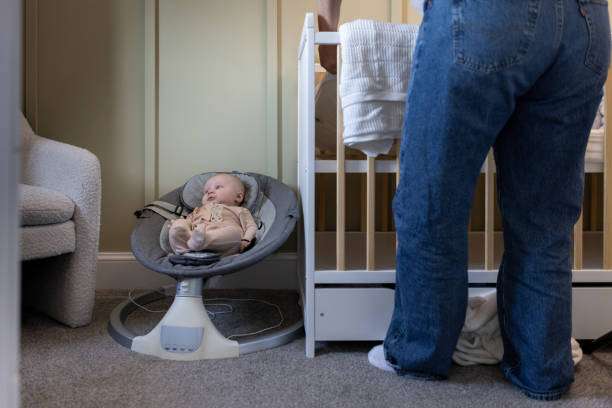
Summarize
Choosing between a three-point or five-point seatbelt is essentially a balance between convenience and safety.
- Three-point harness: Easy to operate, suitable for babies with low activity levels and short duration of use.
- Five-point harness: provides all-around fixation, suitable for active babies or babies who are unattended for extended periods.
As parents, the most important thing is to choose products flexibly based on your baby’s developmental stage and your own lifestyle, and to always pay attention to your baby’s comfort and sense of security. Sometimes, pausing the use of a certain type or adjusting the way the baby wears the clothes is more practical than blindly pursuing the “safest” option.
When choosing a baby bassinet, pay attention to the harness design and select a suitable three-point or five-point harness based on your baby’s activity level. This will provide your baby with a safe and comfortable space, and also give you peace of mind for rest.


