Baby Bassinet moisture-proof and mildew-proof design: creating a dry and comfortable sleep environment for your baby.

A baby’s sleep environment is crucial to their health, and a damp environment not only makes babies uncomfortable but can also breed bacteria and mold, affecting their respiratory health. Especially during the rainy season or in humid southern regions, the moisture-proof and mold-proof design of the baby bassinet is particularly important. This article will provide parents with scientific purchasing and usage advice on baby bassinet moisture-proofing, mattress moisture-proofing, ventilation design, and material selection, helping babies have a dry and comfortable sleep environment.
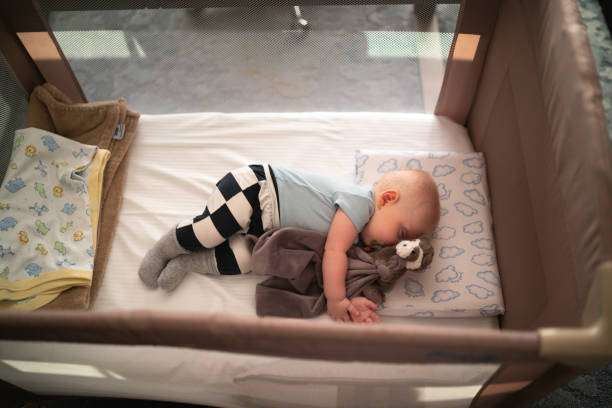
The Importance of Baby Bassinet’s Moisture-Proof Design
Babies have delicate skin, and if they come into contact with a damp environment while sleeping, they are prone to rashes, eczema, and even skin infections. The core functions of Baby Bassinet’s moisture-proof design include:
Protect your baby’s skin: A dry bedding surface can prevent the long-term accumulation of sweat or moisture, which can irritate the skin.
Preventing mold growth: Damp environments are prone to mold growth, and moisture-proof designs can reduce the risk of bacterial and mold growth.
Improve sleep comfort: A dry cradle keeps your baby comfortable all night, which helps them fall asleep and improves sleep quality.
My baby used to develop mild eczema after sweating in a regular cloth cradle. Since we switched to a cradle and mattress with a moisture-proof design, his skin condition has improved significantly, and he sleeps more soundly.
Mattress Moisture-Proof Design Analysis
Baby bassinet mattresses feature a key element of their moisture-proof design. A scientifically designed moisture-proof mattress is primarily reflected in the following aspects:
Breathable materials: High-density breathable cotton, natural latex, or breathable sponge are used to ensure that sweat and moisture evaporate in time.
Waterproof mattress cover: The outer layer of the mattress is made of waterproof material, which can effectively prevent liquid penetration and keep the internal materials dry.
Removable and washable design: The mattress cover can be removed and washed to maintain hygiene and prevent mold growth.
Multi-layer structure: Some moisture-proof mattresses are designed with a multi-layer structure, with a soft and breathable upper layer and a waterproof and moisture-proof lower layer, balancing comfort and function.
With a proper mattress moisture-proof design, the baby’s sleeping environment in the cradle can remain dry for a long time.
The role of ventilation design in moisture prevention
Ventilation is an essential part of a baby bassinet’s moisture protection. Air circulation helps remove moisture, reducing dampness on the mattress and bassinet surfaces.
Ventilation holes at the bottom of the cradle: Increase airflow and prevent the mattress from being in contact with a damp floor for extended periods.
Side mesh or ventilation holes: The ventilation design around the cradle makes it easier for moisture to escape.
Slightly tilted base: The slightly tilted bottom of the cradle helps with air convection, making it less likely for moisture to accumulate.
Proper placement: Place the cradle in a well-ventilated location away from damp walls to enhance its moisture-proof effect.
Tip: Even if the mattress itself is moisture-proof, if the cradle is placed in a humid room for a long time, mold may still grow. Therefore, ventilation design and environmental optimization must be used in combination.
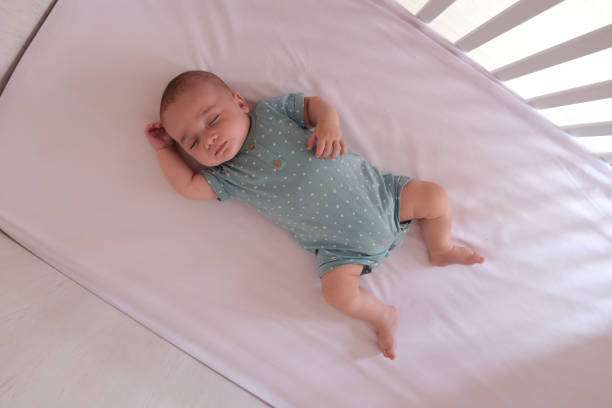
Material selection and moisture resistance
baby bassinet directly affects its moisture-proof and mildew-proof effects:
Baseboard material: Choose waterproof or moisture-proof boards, such as high-density fiberboard or solid wood with moisture-proof treatment.
Bed frame material: Metal, aluminum alloy, or moisture-resistant wood can effectively resist moisture erosion.
Mesh fabric and mattress upholstery: Materials such as natural cotton, latex, and breathable mesh fabric promote air circulation and reduce moisture retention.
Waterproof coating: Some cradles have a waterproof coating added to the baseboard or the outer layer of the mattress to prevent liquid penetration and make them easy to clean.
When choosing a cradle, I pay special attention to the materials of the base and mattress, selecting a moisture-resistant solid wood base and a latex mattress to ensure it stays dry even in humid environments.
Routine maintenance and usage recommendations
Even with a well-designed cradle, routine maintenance is still essential:
Air out your mattress regularly: Air out your mattress in a sunny or well-ventilated place to keep it dry.
Keep the room dry: Use a dehumidifier or the air conditioner’s drying mode to reduce indoor humidity.
Clean up liquids promptly: Wipe away spit-up, urine, or sweat from your baby immediately to prevent moisture buildup.
Regularly inspect the cradle: check the mattress, bed frame, and mesh for mold or dampness, and clean or replace them promptly.
Tip: Developing a habit of regular maintenance can effectively prevent mold growth, even in high-humidity environments.
Key Considerations for Choosing Baby Bassinet: Moisture-Proof and Mildew-Proof Products
Choosing a moisture-proof baby bassinet, parents can pay attention to the following key points:
Mattress moisture resistance: Choose a breathable, waterproof, multi-layered mattress.
Cradle Material: The base and frame should be made of moisture-proof material to ensure long-term durability.
Ventilation design: There should be ventilation holes or mesh on the bottom and sides to ensure air circulation.
Easy to clean: The cradle and mattress should be easy to remove and wash to prevent mold growth.
Safety and stability: Moisture-proof design should not come at the expense of structural stability; the cradle should be stable and safe.
By selecting products scientifically and using and maintaining them correctly, a baby’s sleeping environment can be kept dry and comfortable.
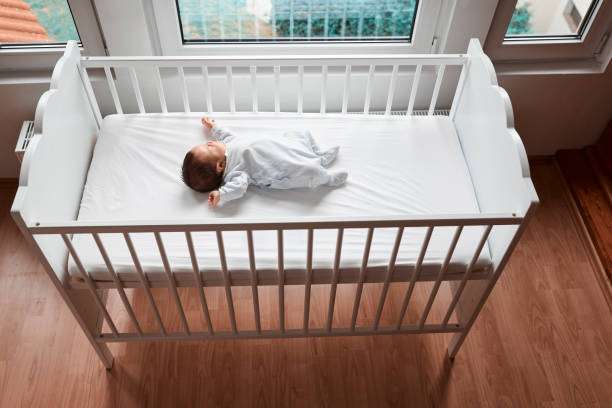
Summarize
Baby Bassinet’s moisture-proof and mildew-proof design is crucial for a baby’s health. Through its moisture-proof and ventilated mattress design and material selection, it effectively reduces the impact of a damp environment on the skin and respiratory system. Combined with an optimized indoor environment and daily maintenance, parents can create a dry, comfortable, and safe sleeping space for their baby.
Want to create a dry and comfortable sleeping environment for your baby? Choosing a moisture-proof, mold-proof, and well-ventilated baby bassinet is crucial. Click here to see our selection of moisture-proof baby bassinets, ensuring your baby sleeps soundly every night and giving parents peace of mind.


