Can a baby bassinet help prolong sleep? A comprehensive analysis based on science and experience.

For new parents, putting their baby to sleep at night is a sweet yet exhausting experience. A baby’s sleep quality directly impacts the family’s rhythm, often severely compressing parents’ rest time. Therefore, many parents consider using a baby bassinet, hoping that gentle rocking will help their baby fall asleep and prolong their sleep. But does a baby bassinet really work this way?
This article will provide an in-depth analysis of the effects of baby bassinets on sleep, covering scientific principles, user experience, safety precautions, practical cases, and common questions.
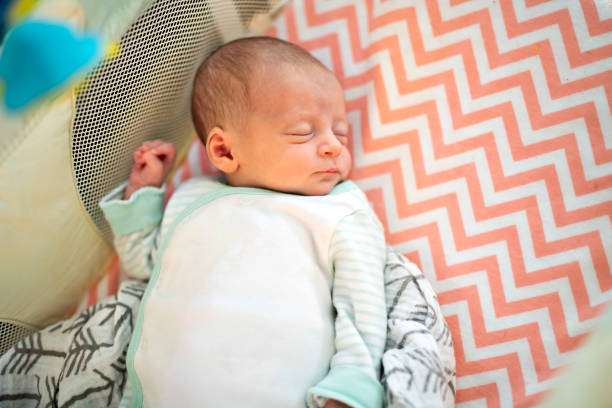
The scientific principles of baby bassinet
The baby bassinet is inspired by the rocking sensation in a mother’s arms. Research shows that newborns become accustomed to rhythmic rocking and heartbeats in the womb, an experience that continues to influence their sense of security and comfort after birth. Gentle rocking mimics this environment, calming the baby and making it easier for them to fall asleep.
In addition, gentle shaking can have a stimulating effect on an infant’s brain and nervous system. Scientific research shows that regular, light movement helps the brain secrete melatonin, a hormone that regulates the biological clock and prolongs continuous sleep time. Of course, the intensity of shaking needs to be moderate; shaking too quickly or excessively may cause dizziness, vomiting, or potential dangers.
I started using a baby bassinet when my baby was three months old. Every day before his afternoon nap, I would gently rock the bassinet for about 10 minutes. I found that my baby quickly calmed down from his initial crying and entered a deep sleep. During that time, I experienced for the first time the actual effect of the bassinet on prolonging my baby’s sleep time, which also made nighttime care much easier.
baby bassinet on sleep
1. Helps you fall asleep quickly
Newborns often show restlessness and anxiety before falling asleep. Gently rocking a cradle can mimic the sense of security of being held by parents, making it easier for the baby to calm down. A friend of mine shared her experience that her baby often cried during the day, but after rocking the cradle for 5-10 minutes, the baby could quickly fall asleep, thus prolonging sleep time.
2. Extend continuous sleep time
Nighttime awakenings are common in newborns. Gentle rocking can soothe a baby just before they wake up, delaying their full awakening. This means parents can also get more continuous rest. Personal experience shows that when I gently rock my baby in the cradle for a few minutes before he wakes up at night, he often falls back asleep for more than 30 minutes, making nighttime care much more manageable.
3. Provide a sense of security and reduce anxiety.
Babies are prone to anxiety in new environments, and the gentle movements of a cradle help mimic the womb environment, making them feel safe. I’ve noticed that before each cradle session, I hum softly and gently rock my baby, which helps them calm down more easily and cry less. This sense of security also has a positive effect on the baby’s psychological development.
Safety precautions for using baby bassinet
While a baby bassinet can help prolong sleep, safe use is very important. The following points should be noted:
Shake gently: Avoid rapid or violent shaking to prevent injury to the baby.
Choose a sturdy structure: The cradle base should be non-slip and non-tipping to ensure the baby’s safety.
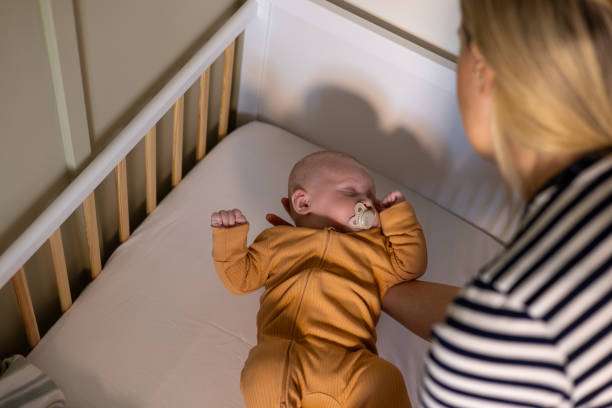
Videos are available similar to this scenario.
Avoid leaving the child unattended for extended periods: Cradles are suitable as a sleep aid, but parents should observe them regularly.
Place it in a safe location: away from the bed or high places to prevent accidental collisions or falls.
I usually stay next to the cradle when my baby takes a nap to make sure I can keep an eye on him at all times. I also put a soft mat under the cradle to prevent the baby from accidentally rolling over.
Situations where the baby is not suitable for a cradle
While cradles are helpful for most healthy babies, special attention is needed in the following situations:
Premature babies or babies with breathing problems: Consult a pediatrician first.
For babies who are overweight or have developmental abnormalities, the cradle may not provide sufficient safety.
For babies sensitive to shaking: Some babies may feel dizzy or vomit and are not suitable for frequent shaking.
Other sleep improvement methods in cradles
A baby bassinet can help you fall asleep; to truly prolong sleep time, you should combine it with the following methods:
Establishing a regular routine
helps babies develop a biological clock, which in turn helps them fall asleep at the scheduled time.
Create a comfortable sleep environment
by controlling the room temperature (around 22℃), keeping it quiet, and providing adequate light to create a stable sleep environment.
Gently soothe
your baby by using soft music, white noise, or gently patting the cradle to help them fall asleep. I play soft piano music next to the cradle and have found that my baby falls asleep faster and cries less.
The use of pacifiers
or small blankets as comfort objects can increase a sense of security, but it is important to ensure that there is no risk of suffocation.
Using these methods in conjunction with a cradle can help babies develop good sleep habits while reducing stress for parents.
Frequently Asked Questions (FAQ)
Q1: Can a baby bassinet completely replace parents holding their baby to sleep?
A: No. A bassinet is a supplementary tool; parental companionship and comfort are still essential, especially in the newborn stage.
Q2: How long should each rocking session last?
A: We recommend 5-15 minutes, adjusting according to the baby’s reaction, and avoiding excessive shaking or prolonged rocking.
Q3: What age is a
baby bassinet suitable for? A: Generally suitable for newborns to around 6 months old. As the baby’s ability to roll over improves, the bassinet should be discontinued and replaced with a safe crib.
Q4: Is a cradle effective for babies who frequently wake up at night?
A: Yes, but the effect varies depending on the individual baby. Combining it with rest adjustments and soothing methods can enhance the effect.
Q5: What safety details should be paid attention to when using a cradle?
A: Keep it stable, rock it gently, keep it away from heights and sharp objects, and observe the baby’s condition at all times.
Summarize:
A baby bassinet does indeed play a positive role in helping new parents fall asleep, prolonging continuous sleep, and providing a sense of security, making it a great aid for new parents. By using the bassinet scientifically and appropriately and combining it with other sleep improvement methods, parents can gain more rest time while caring for their baby, making family life easier and more organized.
If you’re looking for a safe and reliable baby bassinet, consider factors like material safety, stability, and suitable age range. Click the link below for recommendations on high-quality baby bassinets to help your baby sleep more soundly and give parents a break!


