
A baby’s sleep is one of the most important topics for parents. Newborns have different physiological structures than adults, and their sleep cycles are short and highly variable. Many new parents find that the rocking motion of the baby bassinet seems to have a magical soothing effect when putting their babies to sleep at night, helping them fall asleep quickly. The Baby Bassinet is designed to help babies fall asleep by mimicking the rocking motion in the mother’s womb. However, the effect of this rocking motion is not limited to how quickly a baby falls asleep; it also plays an important role in the baby’s overall sleep cycle.
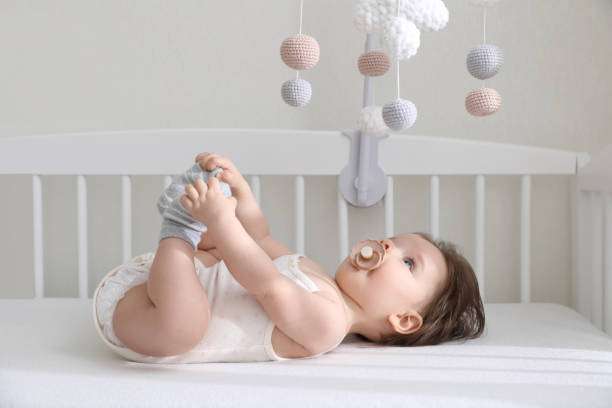
The specific effects of rocking on a baby’s sleep cycle
A baby’s sleep is divided into two main stages: light sleep and REM sleep. The rocking of a baby bassinet has different effects on these two stages.
1. Light sleep (NREM)
During a baby’s light sleep stage, the brain undergoes basic rest and recovery. The gentle rocking of the cradle helps the baby gradually transition from wakefulness into light sleep, making it easier for them to relax. Regular rocking stimulates the release of melatonin, further aiding in a restful state and shortening the time it takes for the baby to fall asleep.
2. Rapid Eye Movement (REM) Sleep
REM sleep is crucial for a baby’s brain development, memory, and learning abilities. While moderate rocking won’t negatively impact REM sleep, excessive or frequent rocking can disrupt the REM phase, preventing the baby from getting enough deep sleep during this important developmental period. Therefore, maintaining gentle and regular rocking is very important.
3. Overall impact of sleep cycles
An infant’s sleep cycle is typically 50-60 minutes, and as the baby grows, these cycles become more regular. Rocking a baby bassinet helps maintain a stable sleep rhythm across multiple sleep cycles. Moderate rocking can help babies establish a circadian rhythm, gradually synchronizing their biological clock, ensuring they have enough energy during the day and can sleep better at night.
4. Speed of falling asleep and number of times you wake up at night
Studies have shown that babies using a baby bassinet fall asleep faster than those not using one, reducing sleep time by an average of 10-15 minutes. At the same time, the rocking motion of the bassinet helps reduce nighttime awakenings, allowing babies to enjoy longer, more continuous sleep and achieve higher quality sleep.
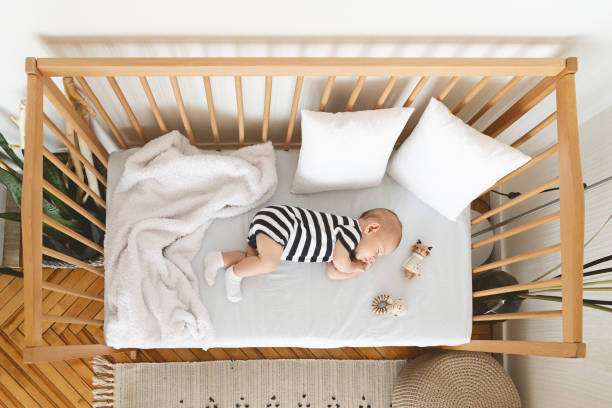
baby bassinet scientifically
While the rocking motion of a baby bassinet can help babies fall asleep, parents should follow these usage guidelines to avoid potential risks:
1. Control the amplitude and frequency of the shaking.
Avoid excessive shaking. Gentle, steady rocking is best; avoid shaking the baby’s body too much and maintain a rocking frequency of 40–60 times per minute. Excessive shaking may cause discomfort to the baby and may even affect their breathing rate.
2. Choose a safe and reliable baby bassinet
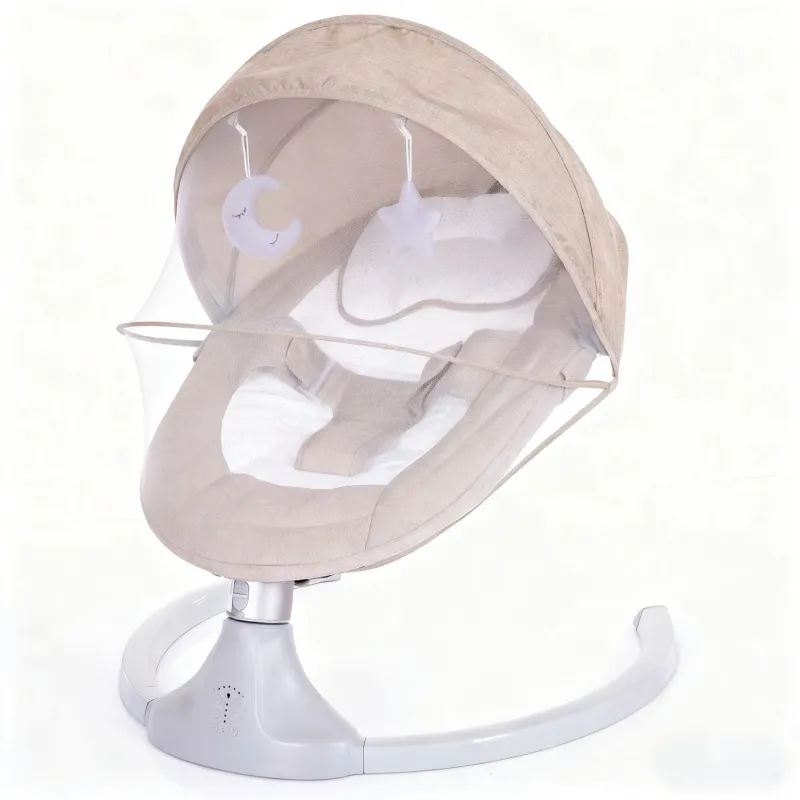
Ensure the cradle is designed to be sturdy, with a non-slip base to prevent tilting or falling during rocking. Electric cradles should have a timer and automatic stop function to prevent prolonged continuous rocking.
3. Create a suitable sleep environment
Ensure your baby’s sleep environment is quiet, warm, and comfortable. Avoid placing too many toys or soft objects near the cradle to minimize disturbances. Appropriate lighting and temperature help promote deep sleep.
4. Use cradles appropriately.
The use of a cradle should be moderate; each rocking session should not exceed 20-30 minutes to avoid the baby becoming overly reliant on rocking. Gradually reducing the frequency of rocking can help the baby adapt to falling asleep independently.
5. Observe the baby’s reaction.
Parents should pay close attention to their baby’s reactions and observe for any signs of discomfort, such as startling or abnormal breathing. If the baby feels uncomfortable while being rocked, stop rocking immediately and soothe them.
Frequently Asked Questions (approximately 250 words)
Will the rocking motion of a baby bassinet cause the baby to become dependent on it?
If used properly, rocking will not cause babies to become dependent on it. A cradle is just one way to help a baby fall asleep quickly; proper sleep habits are still key to a baby’s growth.
At what age is it no longer suitable for babies to use a baby bassinet?
When your baby starts to roll over, sit up, or support themselves, 6-9 months is usually the best time to stop using a cradle. At this time, your baby should be moved to a crib.
An electric baby bassinet or a manual baby bassinet?
Electric cradles are convenient, but manual cradles allow parents to better control the rocking amplitude. The choice should be made based on family needs and the baby’s response.
Is it dangerous to shake too frequently?
Yes, excessively high rocking frequency can cause an overactive startle reflex in babies and may even affect their breathing, so the rocking frequency needs to be appropriately controlled.
Conclusion
A baby bassinet can indeed play an important role in promoting sleep quality and establishing a regular sleep rhythm for babies. Moderate rocking can help babies fall asleep faster, reduce nighttime awakenings, and help them achieve longer periods of deep sleep.
However, rocking is only an aid to help babies fall asleep and cannot replace a good sleep environment and regular sleep schedule. Parents should pay close attention to their baby’s reactions and gradually adjust the way they rock their baby as the baby grows.


