
Every newborn needs a safe and comfortable sleeping space, and a baby bassinet is undoubtedly one of the top choices for helping babies fall asleep peacefully. With the continuous evolution of home design, there are increasingly more cradles available on the market made of different materials, among which the two most popular are lightweight rattan cradles and traditional wooden cradles. Each cradle has its unique advantages and disadvantages, suitable for different family needs and the baby’s developmental stage.
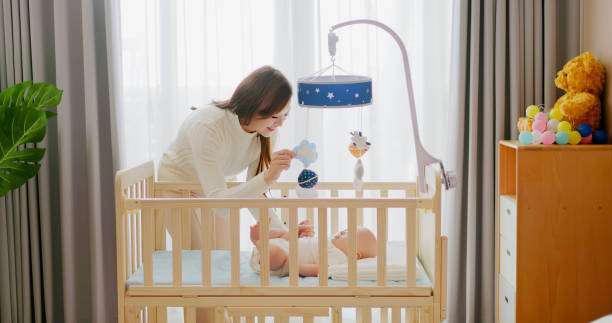
Advantages and disadvantages of lightweight rattan cradles
Lightweight rattan cradles are made of natural or artificial rattan, with a simple and natural appearance, and are easy to carry, making them suitable for families who need to use them for short periods or move them frequently.
advantage:
The most significant advantage of rattan, baby
bassinets is their portability. Compared to heavy wooden baby bassinets, rattan cradles are generally lighter, making them easy for parents to move between rooms in the house.
The breathable
Natural rattan material makes the rattan cradle very well ventilated, helping to keep the air inside the baby bassinet fresh, making it especially suitable for use in hot seasons.
Environmentally friendly and natural
The cradle made of natural rattan is not only environmentally friendly but also provides a close-up environment for babies to connect with nature.
Modernly designed
Rattan cradles are flexible and versatile, able to match various modern home styles, and are suitable for families who like minimalist, Nordic, or pastoral styles.
Suitable for short-term use, the rattan
A baby bassinet is perfect for a baby’s initial short-term use. Its easy-to-store and disassemble features allow parents to easily move or store it.
shortcoming:
Compared to wooden cradles, rattan cradles offer less support
As the baby gains weight, the rattan may loosen or deform, affecting comfort and safety.
rattan
The baby bassinet is relatively fragile and is prone to wear and breakage after prolonged use, which may affect the stability and safety of the cradle.
unstable
rocking, especially as the baby gains weight, causing excessive shaking and affecting sleep quality.
Advantages and disadvantages of traditional wooden cradles
Traditional wooden baby bassinets are typically made of solid wood or high-quality composite wood, offering strong support and high durability, making them suitable for long-term use.
advantage:
Sturdy and
Durable wooden cradles offer better support, making them especially suitable for larger or heavier babies. Wooden cradles typically rock more smoothly, reducing the amount of swaying the baby experiences while sleeping.
Durable
Wooden cradles have a long service life. High-quality wood can withstand long-term use and is not prone to breakage or loosening, making it cost-effective.
The classic and beautiful
The traditional wooden baby bassinet features a warm wood texture that blends into a variety of home styles, creating a cozy and comfortable sleeping environment for your baby.
a multi-functional design
offering a rocking function and converting into a crib. Their use can be adjusted as the baby grows to meet different needs.

Storage Function:
Wooden cradles are usually designed with storage space, such as bottom drawers or shelves, for easy storage of baby’s clothes, diapers, or toys.
shortcoming:
The heavier
A wooden cradle is not as easy to move as a rattan baby bassinet due to the weight of the wood, which may cause inconvenience in homes with limited space.
breathability
especially in hot seasons, so parents may need to consider how to optimize the ambient temperature.
Higher-priced
Wooden items are generally more expensive, especially those made of solid wood and featuring high-end craftsmanship. For families with limited budgets, price can be a significant obstacle to purchasing.
Space-consuming
Wood is usually bulky and takes up more space, making it unsuitable for families with limited space.
How to choose the right cradle for yourself?
Baby bassinets for your family require considering several factors:
Home space: If you live in a smaller apartment or house, a lightweight rattan baby bassinet may be more suitable for you.
Baby’s weight and growth rate: If your baby is heavy or you plan to use the cradle for a long time, the sturdiness and durability of a wooden baby bassinet may be more suitable for your needs.
Budget considerations: A rattan baby bassinet is usually more affordable, while a wooden baby bassinet is more expensive and suitable for families with a larger budget.
Home Decor Style: A rattan baby bassinet is usually more modern and lightweight, while a wooden baby bassinet has a more classic aesthetic and is suitable for families who like retro or traditional styles.
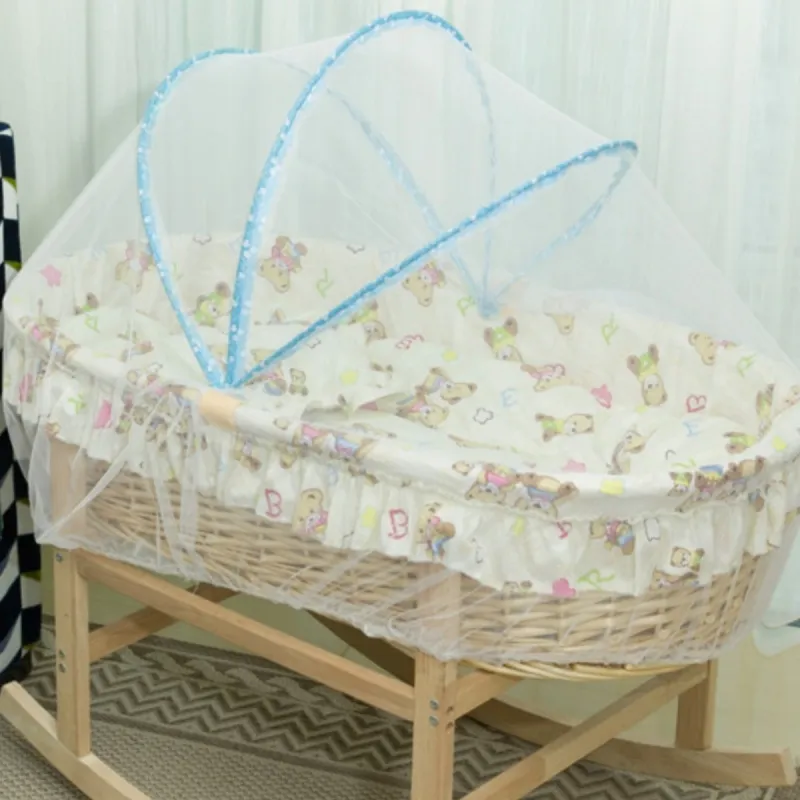
Summarize:
Whether it’s a lightweight rattan baby bassinet or a traditional wooden baby bassinet, each has its unique advantages and suitable applications. Parents should choose based on their family needs, their baby’s developmental stage, and their home décor. Understanding the pros and cons of each type of baby bassinet is crucial to ensuring a comfortable and safe sleeping environment for your baby.
Would you choose a rattan baby bassinet or a wooden baby bassinet? Feel free to share your choice and reasons in the comments section!


