The Relationship Between Baby’s Tactile Sensitivity and Sleep Comfort—Baby Bassinet

A baby’s sleep quality is not only crucial for their physical health but also directly impacts brain development and emotional stability. A baby’s tactile sensitivity is a key factor in determining their sleep comfort. As the first sleep environment a baby encounters, the material, design, and tactile experience of a baby bassinet subtly influence their sleep. This article will comprehensively analyze the relationship between a baby’s tactile sensitivity and baby bassinets, from scientific principles and practical examples to selection advice.

The Importance of Baby’s Tactile Sensitivity
Touch is one of the earliest senses to develop in babies, who can even perceive the pressure and vibrations of the maternal environment during the fetal stage. After birth, babies perceive temperature, texture, and vibrations through their skin. These tactile experiences help babies build a sense of security and influence sleep quality.
Tactilely sensitive babies: They are abnormally sensitive to the materials of clothing, bedding, or cradles, and even slight friction may cause them to become irritable or cry.
Tactilely tolerant babies: They respond smoothly to different materials and fall asleep more easily and maintain deep sleep.
Scientific research shows that moderate tactile stimulation can help babies relax, while excessive stimulation or uncomfortable touch may disrupt sleep. Therefore, understanding a baby’s tactile sensitivity is crucial for choosing the right baby bassinet.
The impact of baby bassinet material on tactile experience
A baby bassinet directly determines the baby’s tactile comfort. An unsuitable material choice may cause discomfort to tactilely sensitive babies and affect their sleep.
Mattress material
Natural cotton and bamboo fiber: soft, breathable, and comfortable to the touch, suitable for most babies with tactile sensitivity.
Synthetic fibers or hard materials may cause friction and skin irritation, leading to frequent awakenings in babies.
Lining fabric
The soft feel of plush or quilted cotton fabric is closer to the feeling of being wrapped in a mother’s arms, which can make a baby feel safe.
Avoid fabrics that are too thick or have a glaring texture, as these can increase tactile discomfort.
Temperature and breathability
Breathable materials can keep the bed dry, reduce stuffiness, and indirectly improve the baby’s sleep comfort.
Babies with sensitive touch are especially susceptible to temperature changes, so a soft and breathable baby bassinet is more suitable for them.
Baby Bassinet Design and Tactile Comfort
Besides the material, the design of a baby bassinet can also affect a baby’s tactile experience and sleep quality.
design
, which gently wraps the baby, can simulate the sense of security of the mother’s body and relieve tension in babies with tactile sensitivity.
Too tight a fit may restrict movement and cause discomfort.
If the fabric is too loose, the baby will feel insecure and may have difficulty falling asleep due to a lack of tactile stimulation.
The gentle rocking mechanism provides mild vestibular stimulation, which helps babies fall asleep quickly.
For babies who are sensitive to touch, the amplitude and frequency of shaking should be moderate; excessive shaking may increase tactile pressure.
The height and spaciousness
of the cradle are just right, allowing the baby to stretch out without feeling cramped, thus enhancing comfort and a sense of security.
The relationship between tactile sensitivity and sleep stages
Babies have different levels of tactile sensitivity, and their sleep patterns also differ:
Tactilely sensitive type: They may wake up frequently even with slight discomfort, their light sleep time increases, and their deep sleep time decreases.
Tactile tolerance type: They adapt quickly to changes in bedding or cradle materials, are more likely to enter deep sleep, and have relatively stable sleep cycles.
Baby Bassinet provides gentle tactile stimulation, helping tactilely sensitive babies smoothly transition to deep sleep while reducing the number of times they wake up at night.
How to assess a baby’s tactile sensitivity
Parents can observe their baby’s tactile sensitivity using the following methods:
Clothing reactions:
Does your baby show irritability or crying towards clothing labels, seams, or rough materials?
Does your baby seem uneasy when touching blankets or sheets of different materials?
Does your baby overreact to light touches or show signs of anxiety during daily interactions?
By observing these behaviors, parents can choose the baby bassinet that is best suited for their baby.
Recommendations for choosing a cradle for babies with sensitive touch
For babies with tactile sensitivity, the following suggestions can improve sleep comfort:
soft and comfortable materials such as
natural cotton, bamboo fiber, or soft velvet, and avoid synthetic fibers and rough materials.
The slightly wrapped design
provides a sense of security while maintaining a certain amount of freedom to avoid a feeling of restriction.
The adjustable shaking function
controls the amplitude and frequency of shaking to meet tactile needs at different stages.
Keeping
Bedding that is clean and dry is essential. Damp or dirty bedding can increase tactile discomfort, so it is crucial to wash baby bassinets and bedding regularly.
Tactile soothing accessories,
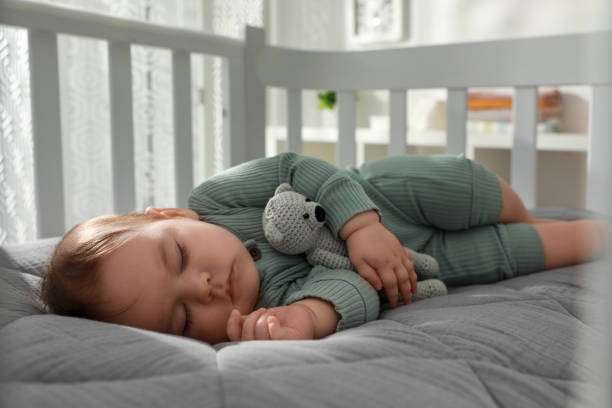
such as soft blankets or plush toys, can provide a comforting touch before falling asleep.
My friend noticed her baby was waking up frequently at night, and after analysis, she suspected it might be due to tactile sensitivity. She tried switching to a soft cotton mattress, using a baby bassinet with gentle rocking, and gently covering the baby with a soft blanket before bedtime.
After a week of adjustments, the baby fell asleep much faster, woke up less frequently at night, and experienced a significant improvement in sleep quality. This case demonstrates that choosing the right baby bassinet and other supportive methods can effectively mitigate the impact of tactile sensitivity on sleep.
Summary and Recommendations
A baby’s tactile sensitivity directly affects their comfort in their sleep environment, and a baby bassinet offers effective adjustment mechanisms through its materials, design, and movement patterns. By choosing soft, breathable, and moderately swaddled baby bassinets and combining them with bedtime tactile soothing measures, parents can significantly improve their baby’s sleep comfort and quality.
Choose high-quality baby bassinet products, paying attention to materials and design details, so that your baby can enjoy a safe and comfortable sleep environment every night, thereby better promoting their physical and mental health development.


