How to achieve the golden balance between warmth and SIDS prevention in baby bassinet

.When outdoor temperatures plummet, a new parent’s first priority is to keep their baby warm and comfortable in their baby bassinet . Our instinct is to wrap them in thick blankets, cute hats, and layers of clothing to ward off the cold.
However, experts have repeatedly warned that this well-intentioned over-wrapping is one of the main reasons for the increased risk of Sudden Infant Death Syndrome (SIDS) in winter. We worry about our babies getting cold, but overheating is a huge threat to their sleep safety.
Why is over-bundling a hidden threat in winter?
the babyFocusing on keeping baby bassinet warm, we must understand the relationship between SIDS risk and body temperature.
,Beware of overheating: a major cause of SIDS (Suffering from Infants , Especially Newborns), who lack effective thermoregulation mechanisms. When they enter deep sleep, their body temperature is easily affected by the external environment and clothing.
Mechanism of action: Over-swaddling can cause a rapid rise in body temperature. Excessively high body temperature can impair an infant’s ability to wake from deep sleep, which is considered a key factor in the increased risk of SIDS.
hot orRecognizing Signs: How do you know if your baby is overheated? Don’t touch their hands and feet! A baby’s hands and feet are usually cooler than their body. The correct areas to check are the back of the neck or chest. If these areas feel hot, sweaty, or if your baby’s skin is flushed and they are breathing rapidly, immediately remove layers of clothing.
.The “emptying principle” in the cradle is even more important in winter. Even in the coldest winter, the emptying principle must be strictly followed in the baby bassinet .
Suffocation risk reiterated: Any loose items, including heavy blankets, quilts, pillows, plush toys, or cradle cushions, can pose a suffocation risk when an infant rolls over (even just to their side).
,Key question: How does over-wrapping increase SIDS risk? In a baby bassinet , the risk of suffocation from soft items far outweighs the need for warmth.
Scientific strategies for keeping warm in winter: a safer choice than blankets
Forget blankets and comforters. A scientific approach to keeping warm in winter should be like building a safe little house, not piling up clutter.
The ideal temperature range for the bedroom and the cradle position ensure sleep safety, starting with environmental control.
Temperature control: The American Academy of Pediatrics (AAP) recommends that the safest bedroom temperature range is 68°F to 72°F (approximately 20°C to 22°C). If this temperature feels slightly cool to you, it may be just right for your baby, as you are wearing pajamas while your baby is wrapped in a sleeping bag.
the babyLocation risk: Avoid placing baby bassinet directly near any heat source (such as radiators or fireplaces) or cold source (such as drafty windows or air conditioner vents) to prevent sudden changes in body temperature.
The “onion layering” method, where “one layer is better than one bed,” combined with TOG (Total Energy) values, is key to achieving a perfect balance between winter warmth and safe sleep.
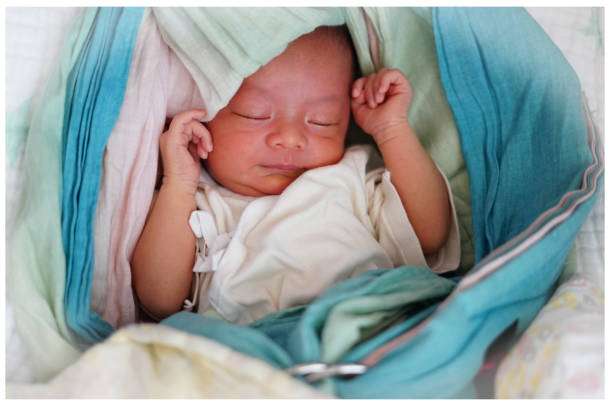
Sleeping bag: It’s the ultimate safety tool for winter. Follow the principle of “parents wear several layers, baby wears an extra layer,” and this extra layer must be a baby sleeping bag. A sleeping bag provides continuous warmth while eliminating the SIDS risk associated with loose blankets.
TOG value is key: The warmth rating of a sleeping bag is measured using TOG.
Low TOG (0.5-1.0): Suitable for rooms with adequate heating.
Medium TOG (1.0-2.5): Suitable for most winter warmth needs.
High TOG (2.5-3.5): Suitable for extremely cold environments.
Common mistakes in keeping the head and neck warm in winter: Resist the urge to put a hat on your baby to sleep.
Head heat dissipation mechanism: Infants dissipate heat through their head and face. Covering them with hats, thick scarves, or excessively high collars prevents heat dissipation, significantly increasing the risk of SIDS. In a baby bassinet, keeping the head and face unobstructed is a golden rule for sleep safety.
Ensuring the cradle’s breathability and air circulation is its lifeline.
Even the best insulation measures can be dangerous without proper ventilation. The breathability of the cradle design is a key advantage.
Mesh sides: Modern high-standard baby bassinet products are typically designed with mesh sides. This design maximizes airflow, helps prevent heat buildup around the baby, and ensures that the baby can breathe freely even if their face accidentally gets close to the side, reducing the risk of SIDS.
Mattress Technology: Ensure you use a firm yet breathable mattress. A high-quality breathable mattress allows air to circulate freely within its structure, reducing the risk of re-inhaling carbon dioxide.
Routine maintenance of indoor ventilation: Avoid covering: Even for the purpose of blocking light, never use heavy blankets or fabrics to completely cover the top or sides of the baby bassinet, as this will quickly cause overheating and lack of oxygen.
Keep the air fresh: Open windows to ventilate the room daily when the baby is not in the room to keep the indoor air fresh. If you are worried about dryness, you can use a humidifier, but make sure to place the humidifier away from the baby’s bottom.
Summary and Call to Action: Safety First, Warmth Second
Keeping parents warm in winter is a parent’s instinct, but safety is our responsibility.
A baby bassinet is a suitable room temperature + an efficient sleeping bag + good ventilation. Remember, it’s better for your baby’s hands and feet to feel slightly cool than to put them at risk of overheating.
What are the winter temperatures like in your area? What TOG value sleeping bag do you usually choose? Share your winter warmth tips in the comments!


