
For exhausted new parents, white noise is often seen as a lifesaver. Through continuous low-frequency sounds, it allows newborns to experience the womb environment in a baby bassinet, calming them down.
However, like all powerful tools, white noise can do more harm than good if used improperly. Excessive volume or incorrect placement can cause permanent damage to a newborn’s fragile hearing, directly endangering the baby’s safety.
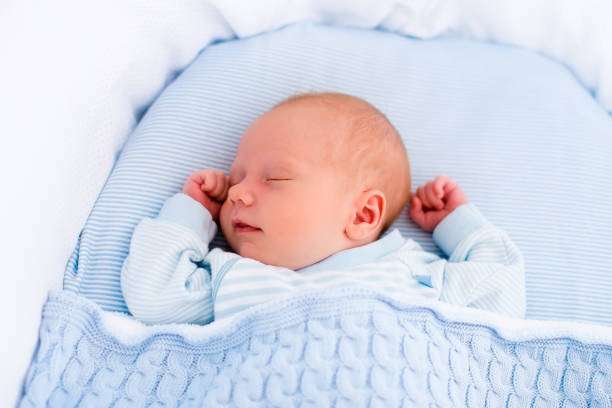
The ironclad rule of keeping volume no more than 50 decibels
Many parents mistakenly believe that the louder the voice, the stronger the coverage and the better the soothing effect. In fact, this is a very dangerous misconception.
Recommended safe volume levels for newborns
According to the American Academy of Pediatrics (AAP) and the consensus of hearing experts, the volume of white noise played near a baby bassinet should never exceed 50 decibels (dB).
To put it simply, 50 dB of sound intensity is roughly equivalent to the hum of a quiet refrigerator, the soft sound of rain, or the sound of someone whispering in the distance. If white noise sounds like a running vacuum cleaner or hair dryer, then the volume is too high.
Hearing risk: Sustained exposure to noise above 85 dB can damage hearing even in adults; for newborns whose auditory system is still developing, this threshold is much lower and the risk is even higher.
How to scientifically measure and set volume?
To comply with this safety guideline, please utilize technological means:
Calibrate using a sound level measurement app on your smartphone, such as Decibel Meter.
Place the phone on the baby bassinet at the position of the newborn’s head.
Play white noise and adjust the volume to a stable 50 dB or below.
Listening principle: When you stand next to a baby bassinet, white noise should sound like a soft background sound and should never be the loudest sound in the room.
Prevent newborns from becoming dependent on white noise
The magic of white noise lies in switching states, not in maintaining them.
Pediatricians generally agree that the best use of white noise is as a soothing tool to help newborns make the initial transition from wakefulness to sleep or to help them quickly fall back into deep sleep when they have brief awakenings at night.
Safety guidelines recommend: Do not play white noise all night.
Dependence Risk: Prolonged all-night playback may interfere with the newborn’s brain’s ability to adapt to and differentiate environmental sounds in the baby bassinet. Once the white noise is gone, they may not be able to fall asleep independently, thus developing a sleep dependency.
Gradual reduction strategy: Training independent sleep
Parents are advised to choose a white noise machine with a timer function and set it to automatically turn off or gradually reduce the volume after 30 to 60 minutes. This can help train newborns to self-soothe and maintain a steady sleep in a quiet environment.
Baby bassinet safety: the placement of the white noise machine.
Even if the volume is set to 50 dB, improper placement can still cause localized hearing damage to newborns due to the superposition of sound waves.
This is a crucial part of baby bassinet safety. Critical distance: at least 7 feet (approximately 2 meters).
Safety guidelines require that white noise machines or playback devices be placed diagonally opposite the baby bassinet and at least 7 feet (about 2 meters) away.
Keep away from the head: Never attach a white noise machine to the side rail of the baby bassinet, the headboard, or near the newborn’s head. This is because the close-range vibrations of the sound waves will directly affect the newborn’s eardrums.
Eliminate the risk of entanglement: Any loose items, including white noise machines, power cords, or devices with cords, must never be placed inside the baby bassinet. This is to completely eliminate the baby bassinet safety risks of entanglement, suffocation, or impact.
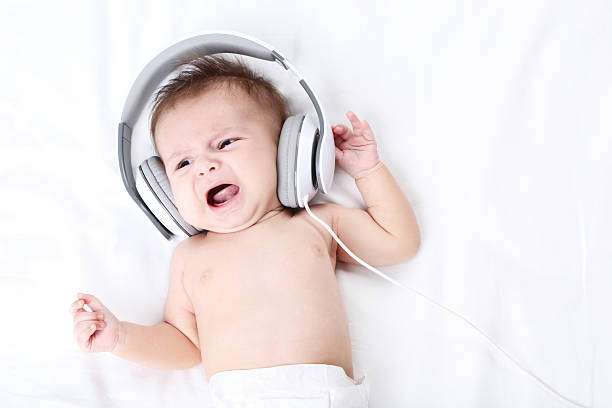
Conclusion:
White noise is a powerful ally in the modern parenting toolbox. It can gently lull newborns to sleep, but only if parents adhere to strict newborn safety guidelines.
When using white noise in a baby bassinet, remember the “50-60-7 rule”: no more than 50 dB, no more than 60 minutes, and at least 7 feet away. By controlling the volume and maintaining distance, we can ensure that white noise has a positive effect rather than posing a hearing risk.


